






Continuous insulation is a critical component in modern construction of commercial buildings, playing a vital role in energy conservation and compliance with other building performance standards and energy codes. This article explores eight key aspects of continuous insulation system best practices: Structural Integrity, Fastener Retention, Thermal Efficiency, Fire Resistance, Durability, Environmental Impact, Building Health, and Ease of Installation.
Continuous insulation represents a fundamental shift in building technology, offering a comprehensive solution to energy efficiency, structural integrity, and overall building performance. As global awareness of sustainability grows, the construction industry faces the challenges of balancing both energy use, emissions, and energy conservation with the demands of modern design and comfort. Continuous insulation has emerged as a vital tool in this endeavor, bridging the gap between innovative architecture and responsible energy resource management.
The Concept of Continuous Insulation
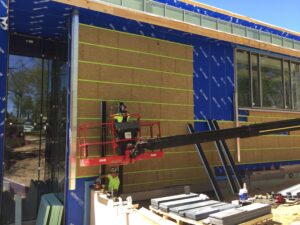
Continuous insulation is defined as insulation that is continuous across all structural members of new construction or existing buildings without thermal bridges except for fasteners and service openings. It is installed on the exterior of a building, enveloping it in a thermal blanket that reduces energy loss, controls moisture, and enhances comfort. Unlike traditional insulation methods that may leave gaps or breaks, continuous insulation provides a seamless barrier, optimizing thermal performance.
Importance in Modern Construction
The importance of continuous insulation in modern construction cannot be overstated. With rising energy costs and increasing regulatory pressures to reduce energy used, builders, designers, and building owners are seeking solutions for buildings that not only meet but exceed energy efficiency standards. Continuous insulation offers a path to achieve these goals, providing buildings with a robust and flexible system that can be tailored to various building types and climates.
Scope of the Article
This article explores eight key aspects of continuous insulation best practices, providing a comprehensive overview that encompasses Structural Integrity, Fastener Retention, Thermal Efficiency, Fire Resistance, Durability, Environmental Impact, Building Health, and Ease of Installation. Each section provides an overview of principles, materials, design considerations, technical assistance and practical insights that define best practices in continuous insulation systems.
A Multifaceted Approach to Building Performance
The complexity of continuous insulation systems in buildings demands a multifaceted approach that considers not only the choice of insulation material but also the integration with other building components, compliance with regulations, and long-term maintenance. This article aims to provide a holistic view, highlighting the interconnectedness of these aspects in the building sector and offer guidance for professionals seeking to identify opportunities to implement continuous insulation effectively and responsibly in the building sector.
Continuous Insulation best practices are not just a set of guidelines and building performance standards but a philosophy that embodies the future of sustainable construction. By understanding and embracing these practices and building performance standards, builders, designers, and other stakeholders can contribute to a new era of construction and building type that prioritizes efficiency, sustainability indoor air quality, and human well-being. The following sections will delve into each of these critical aspects, providing a roadmap for excellence in building performance standards and continuous insulation. Let’s get started!

Structural Integrity
- Continuous insulation systems contribute to the structural integrity of a building by providing a continuous barrier that supports overall stability. The choice of materials, such as metal or composite products, can significantly influence the structural performance¹. Proper design and alignment with building codes are essential to ensure that the continuous insulation system complements the structural framework of the building.
Fastener Retention
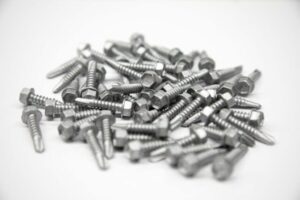
- Fastener retention is crucial in continuous insulation systems to maintain the connection between insulation materials, cladding, and the building structure. Choosing the right fasteners and installing them correctly keeps the continuous insulation system securely attached. This minimizes potential failures. Attention to compatibility with various materials and adherence to installation guidelines is vital for long-term performance.
Thermal Efficiency
- The effectiveness of continuous insulation in enhancing thermal efficiency depends on more than just the material type. It also relies on design, installation, and integration with other building components. Understanding insulation materials helps builders and designers optimize systems for energy conservation. This ensures temperature regulation tailored to each project’s needs.

Fire Resistance
Durability
- Durability is crucial for continuous insulation systems. It ensures the insulation maintains its performance throughout the building’s lifespan. Durability in continuous insulation is a comprehensive approach that considers design, installation, maintenance, and environmental factors. By addressing these aspects, builders and designers can ensure continuous insulation systems remain effective and efficient over time. This approach delivers lasting value and performance.
Environmental Impact
- The environmental impact of continuous insulation systems is crucial in modern construction. It reflects a focus on sustainability and responsible practices. This impact involves material properties, manufacturing, transportation, installation, and long-term performance. Embracing best practices in these areas helps create systems that enhance building performance and support sustainability goals.

Building Health

Ease of Installation
- Ease of installation in continuous insulation systems involves understanding common challenges and solutions, including tools and techniques. Attention to detail, such as alignment, fastening, and sealing, ensures smooth installation. Training and adherence to best practices can further streamline the installation, reducing time and costs.
Conclusion
© 2023 Advanced Architectural Products