







Frequently Asked Questions (FAQs)
What's the difference between GreenGirt Max CMH™ and FRP systems?
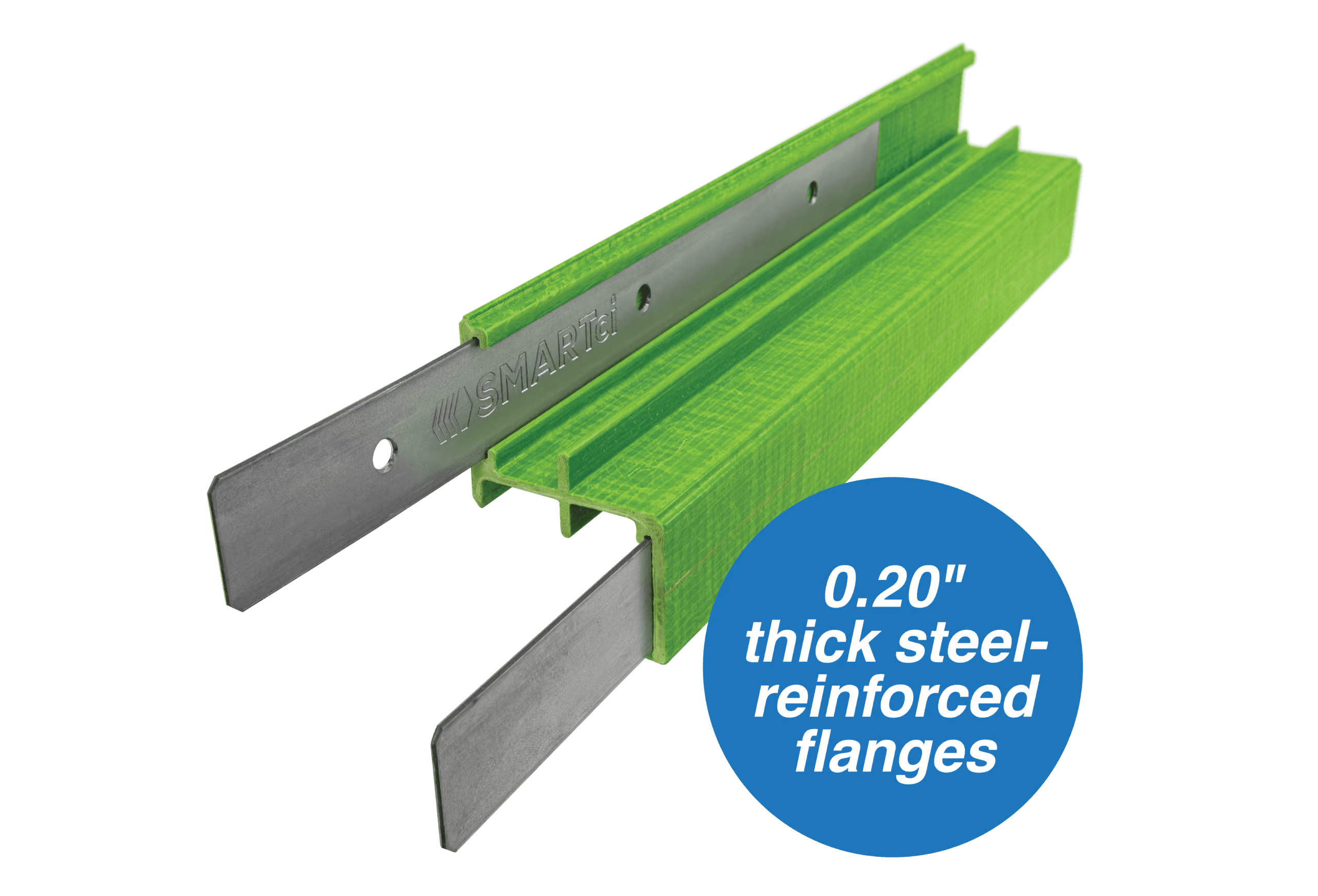
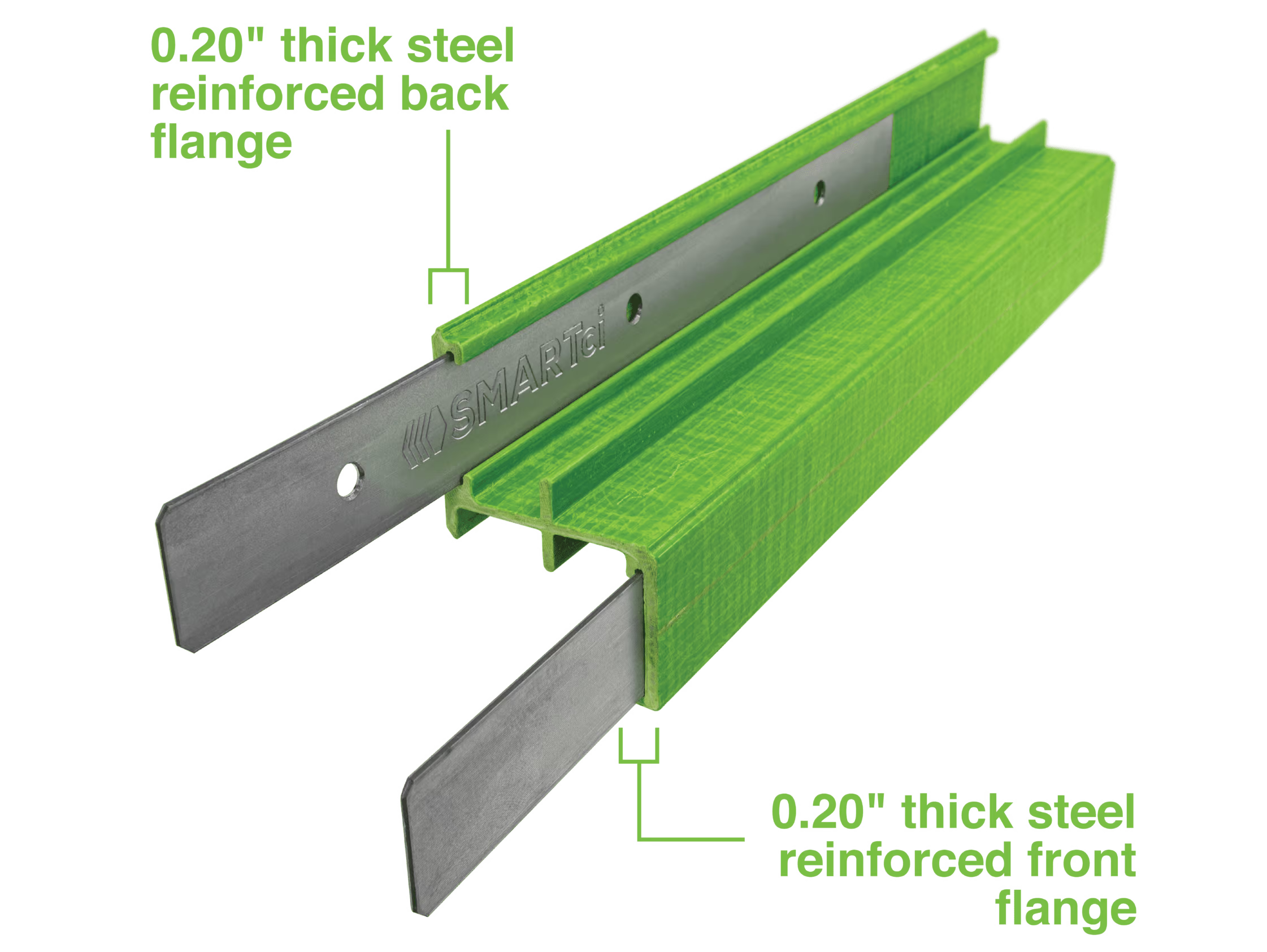
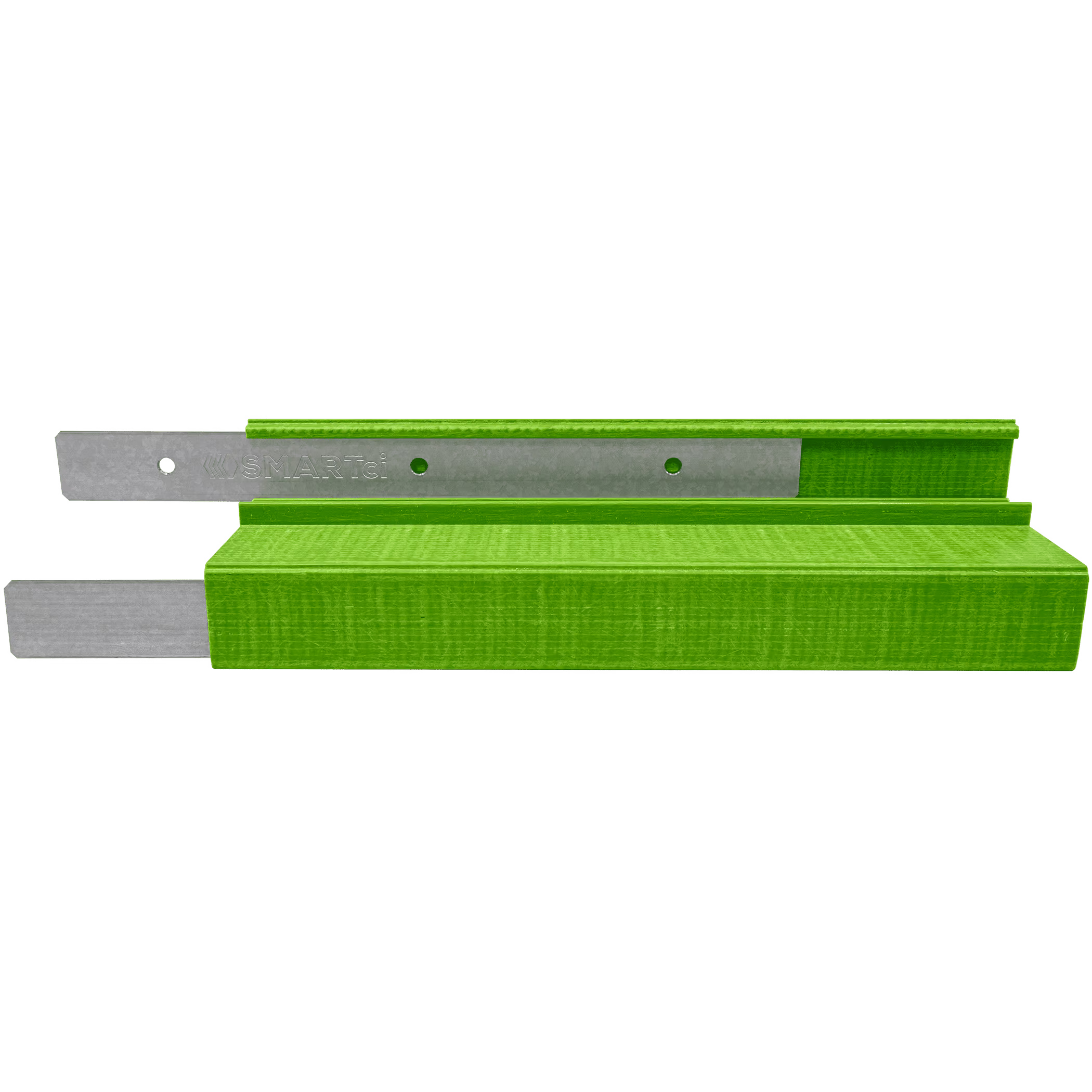
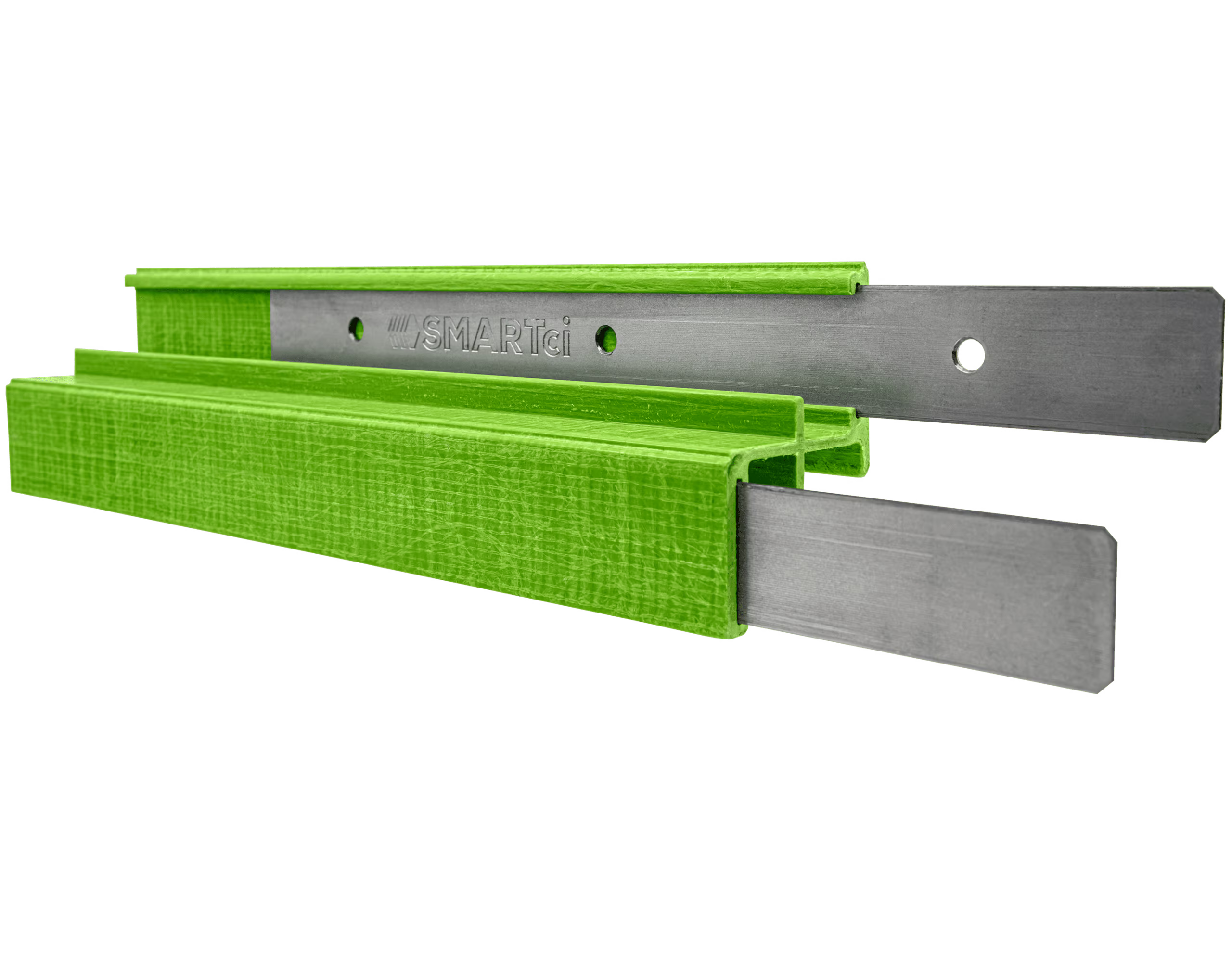
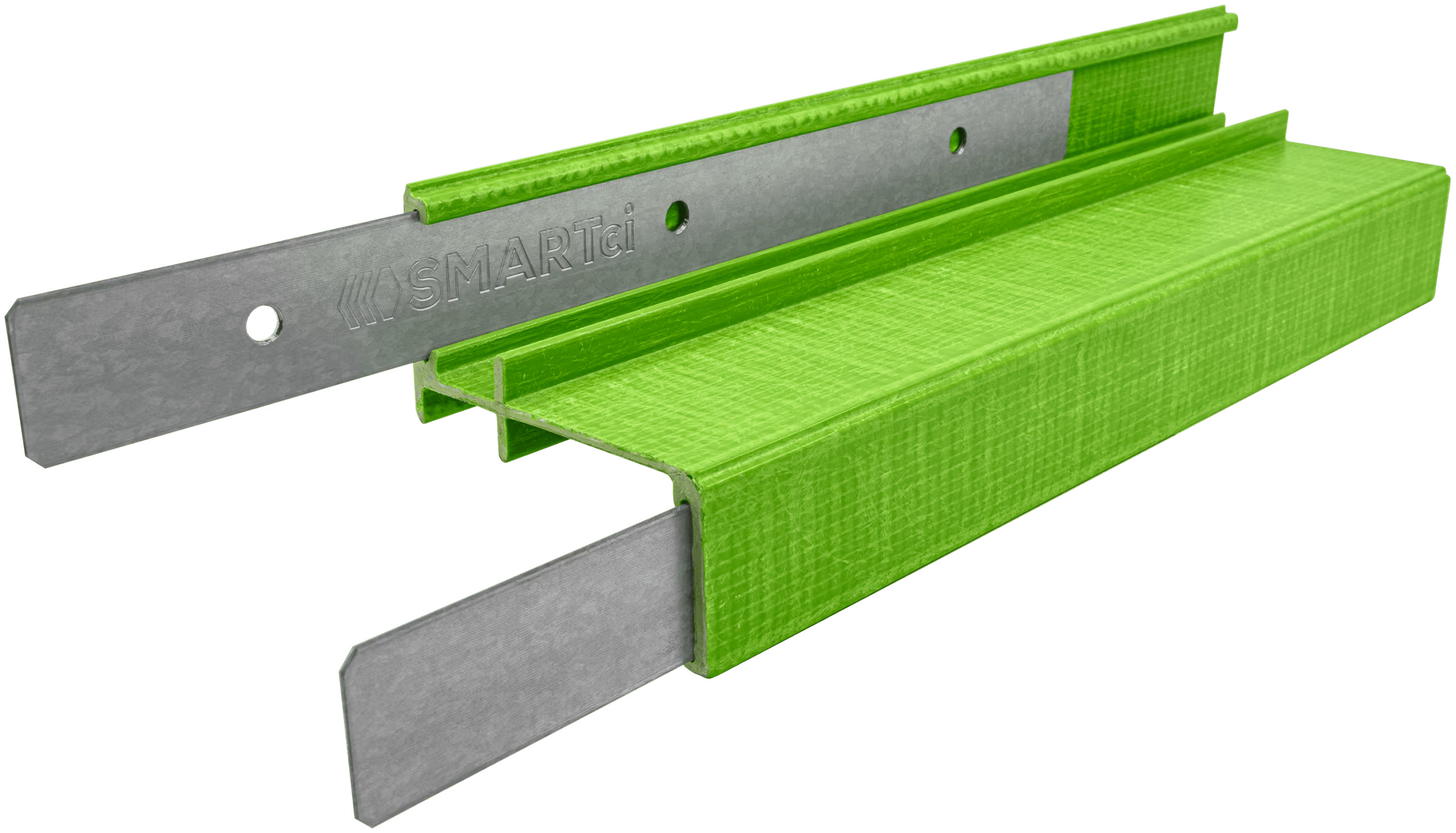
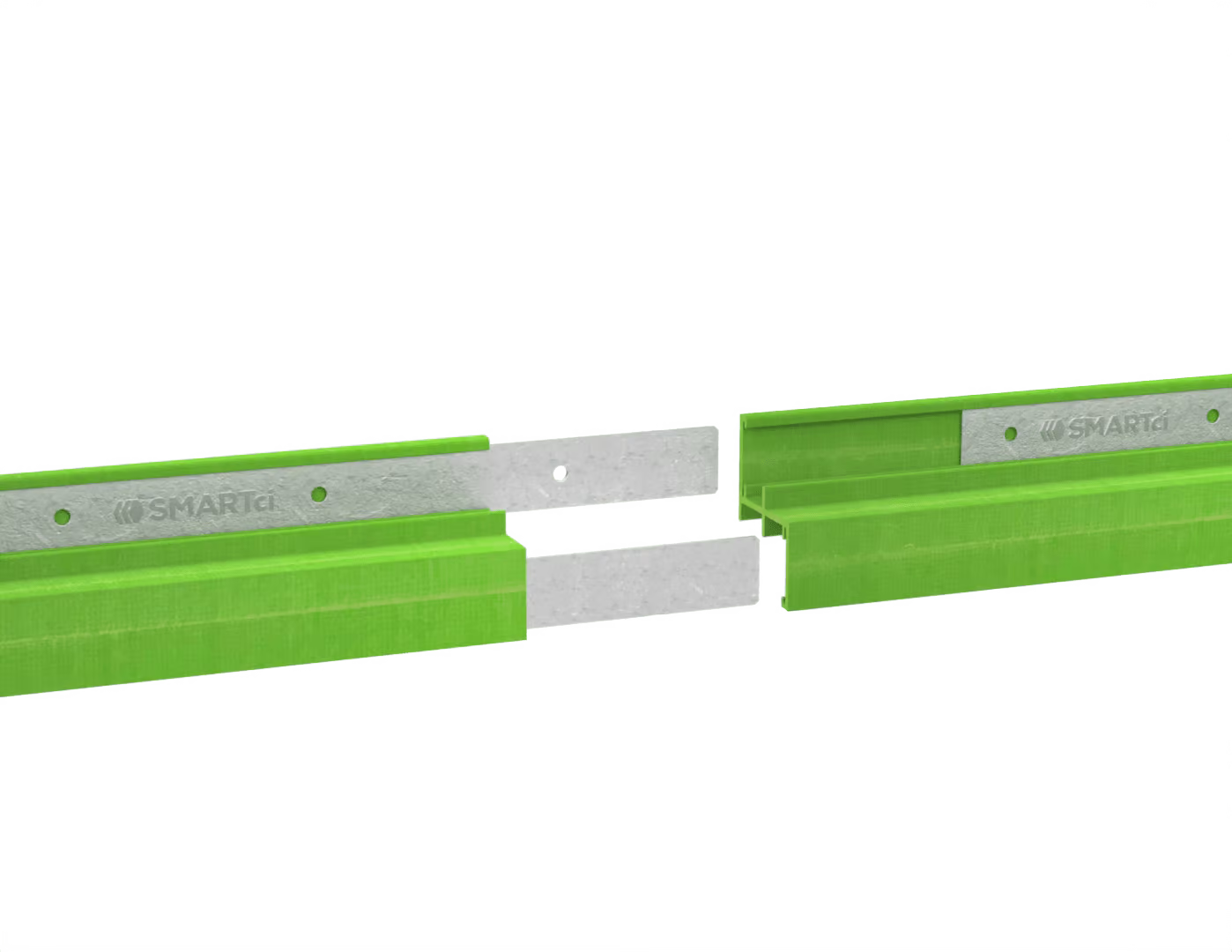
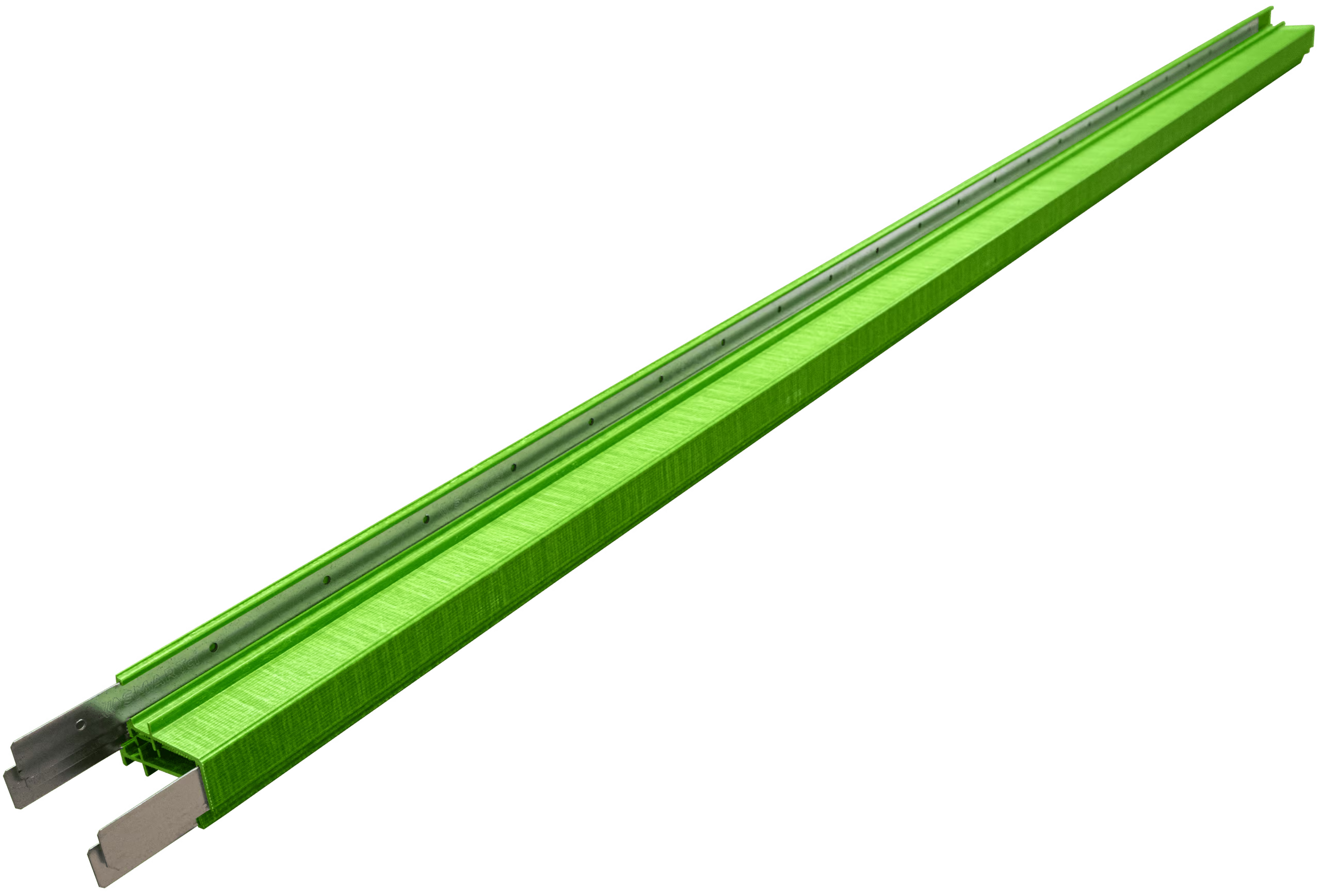
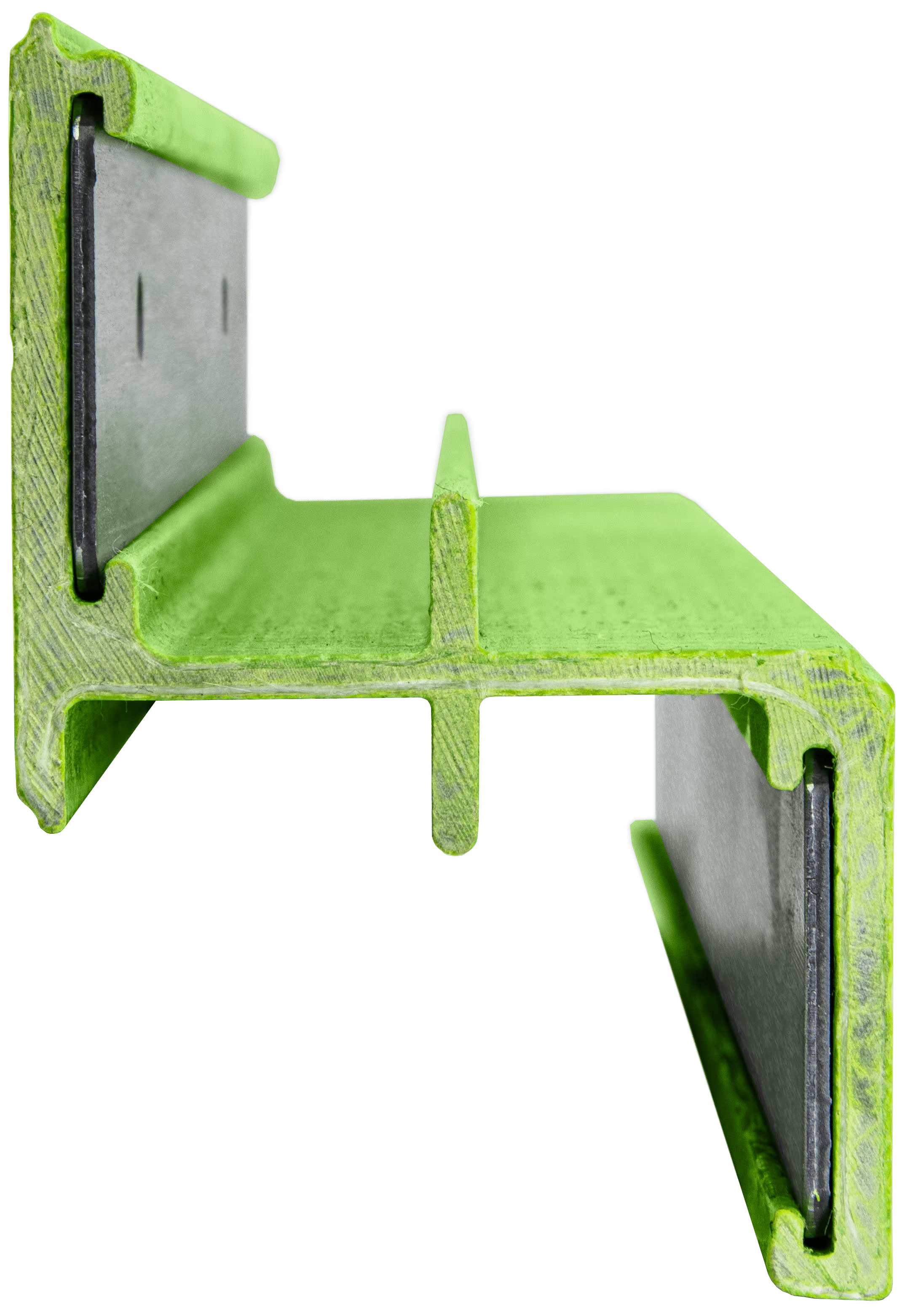
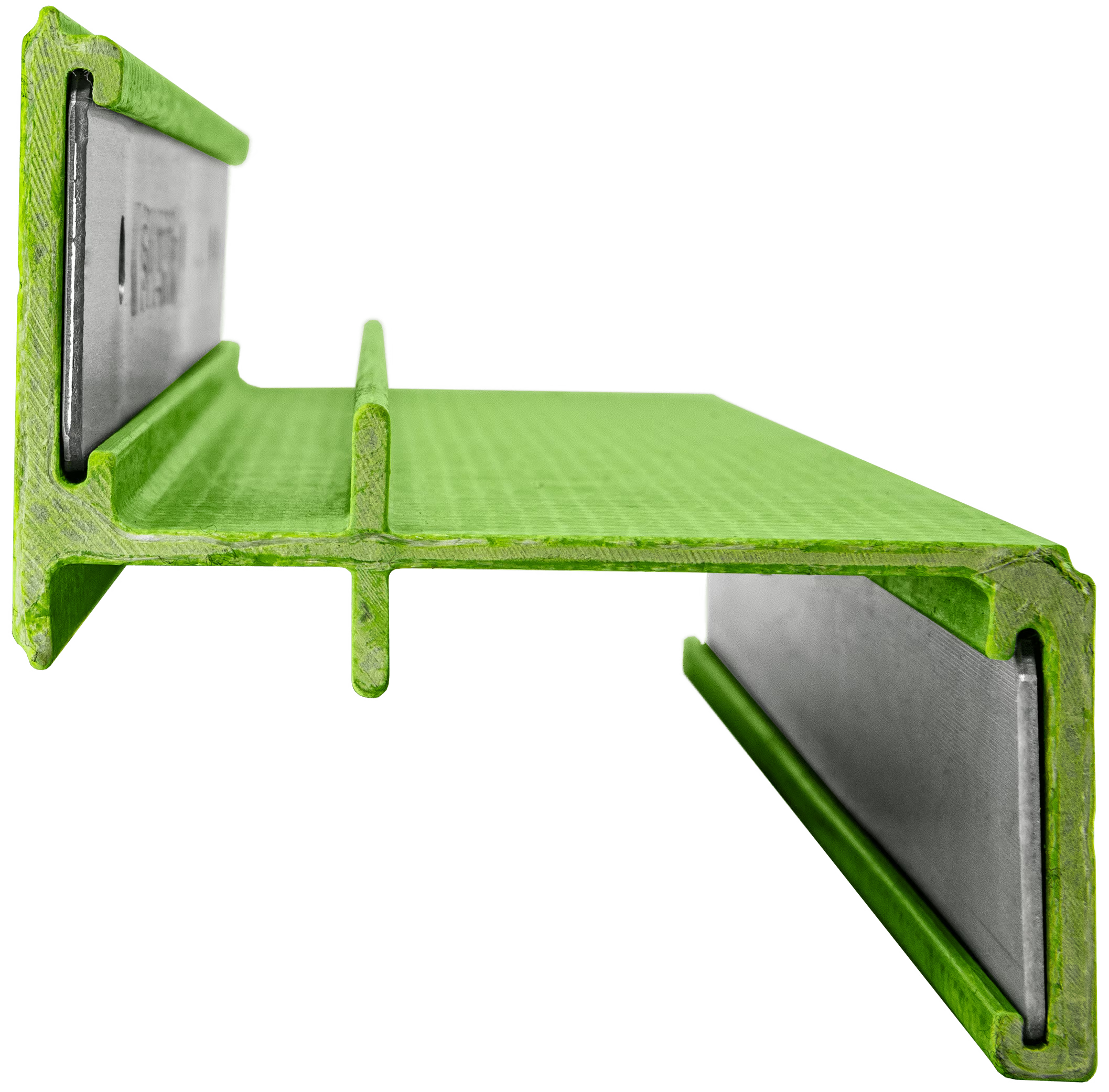
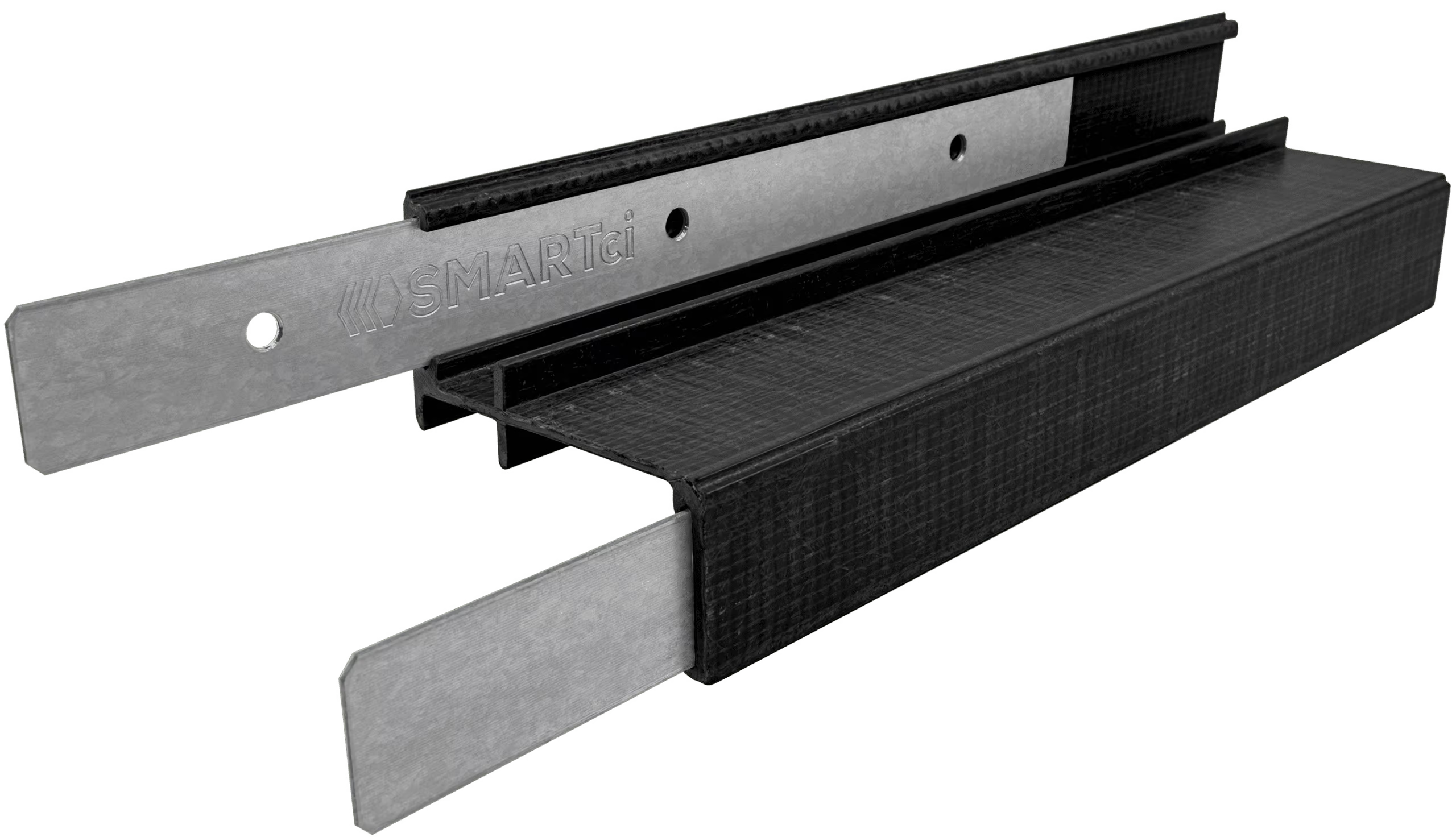
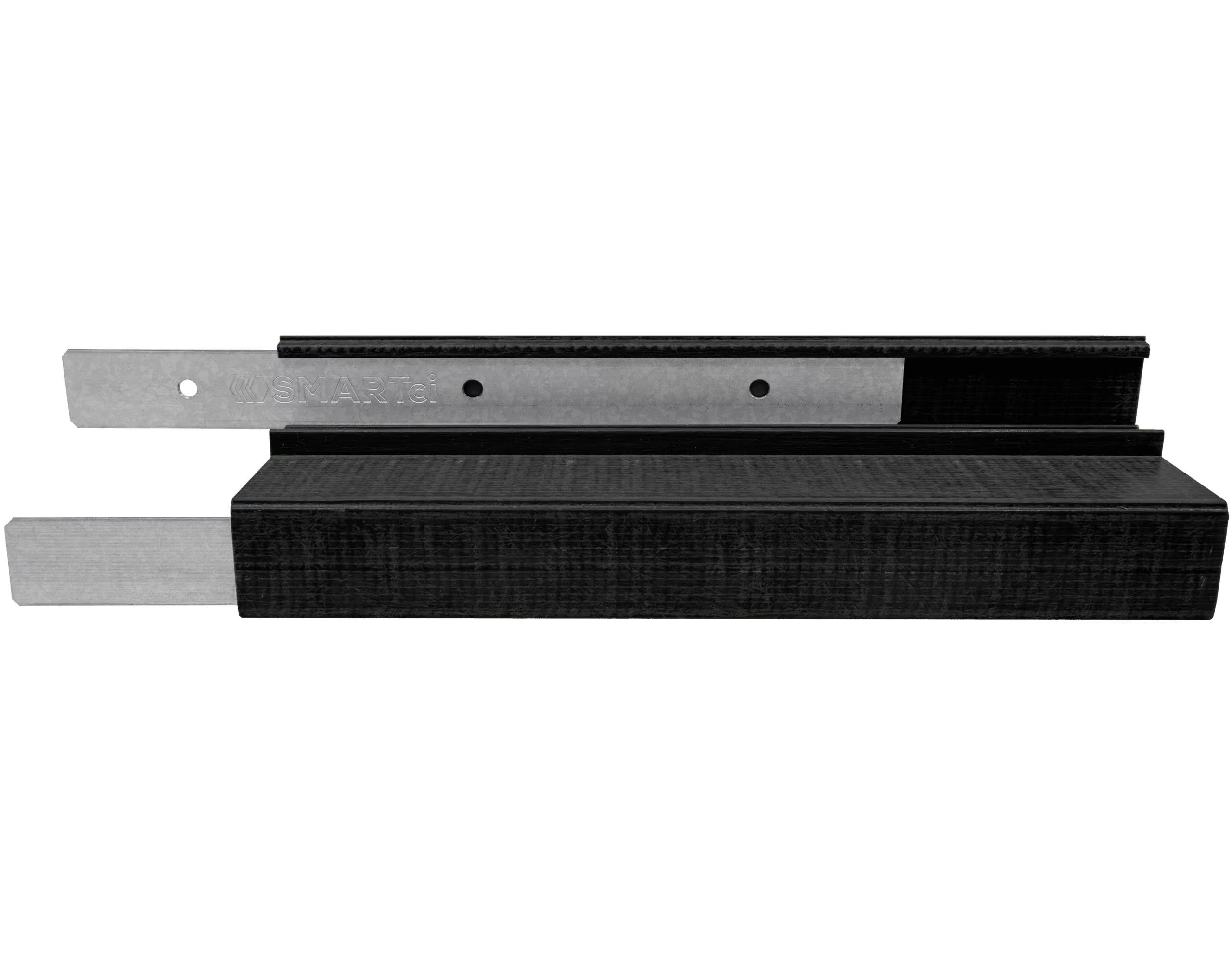
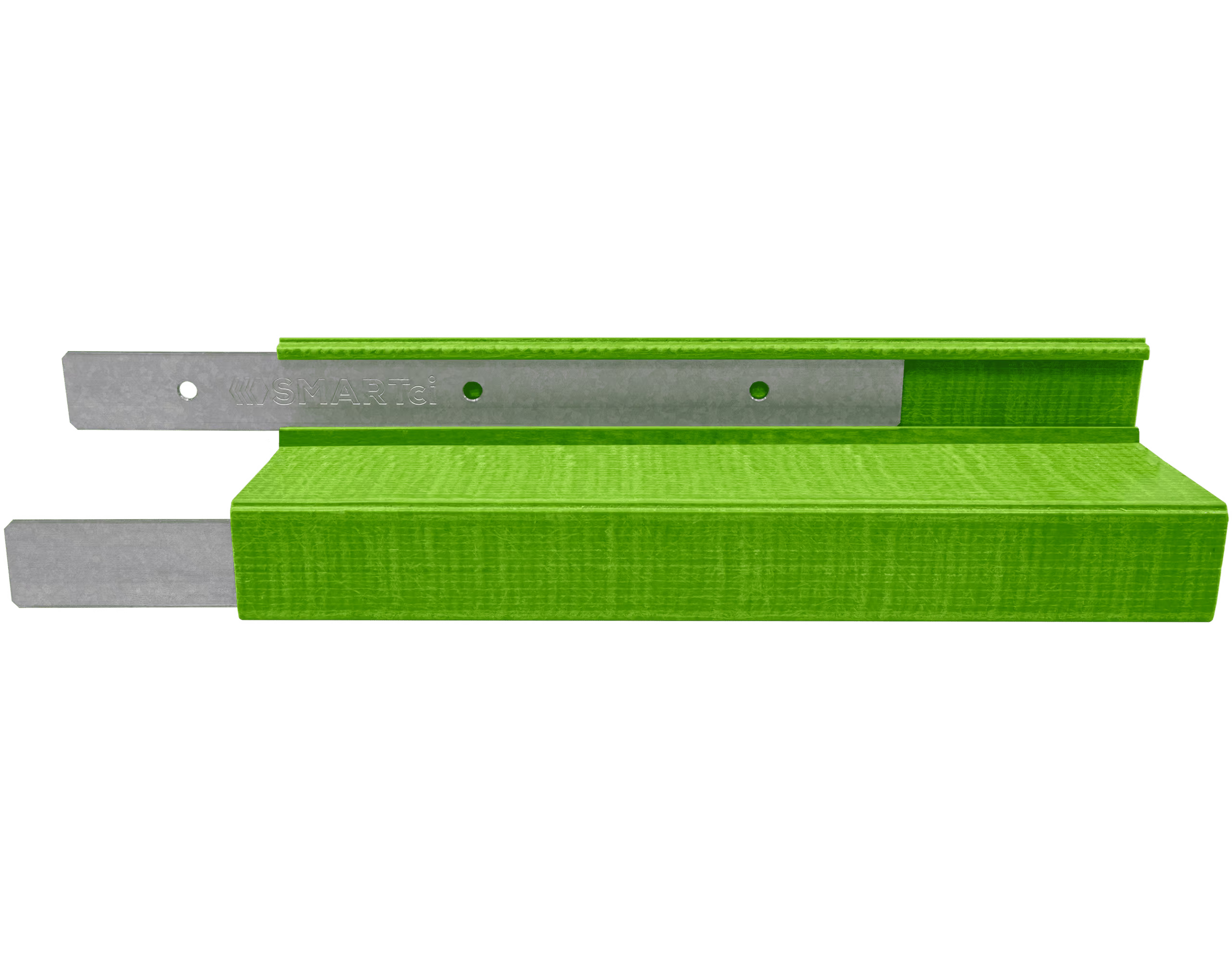
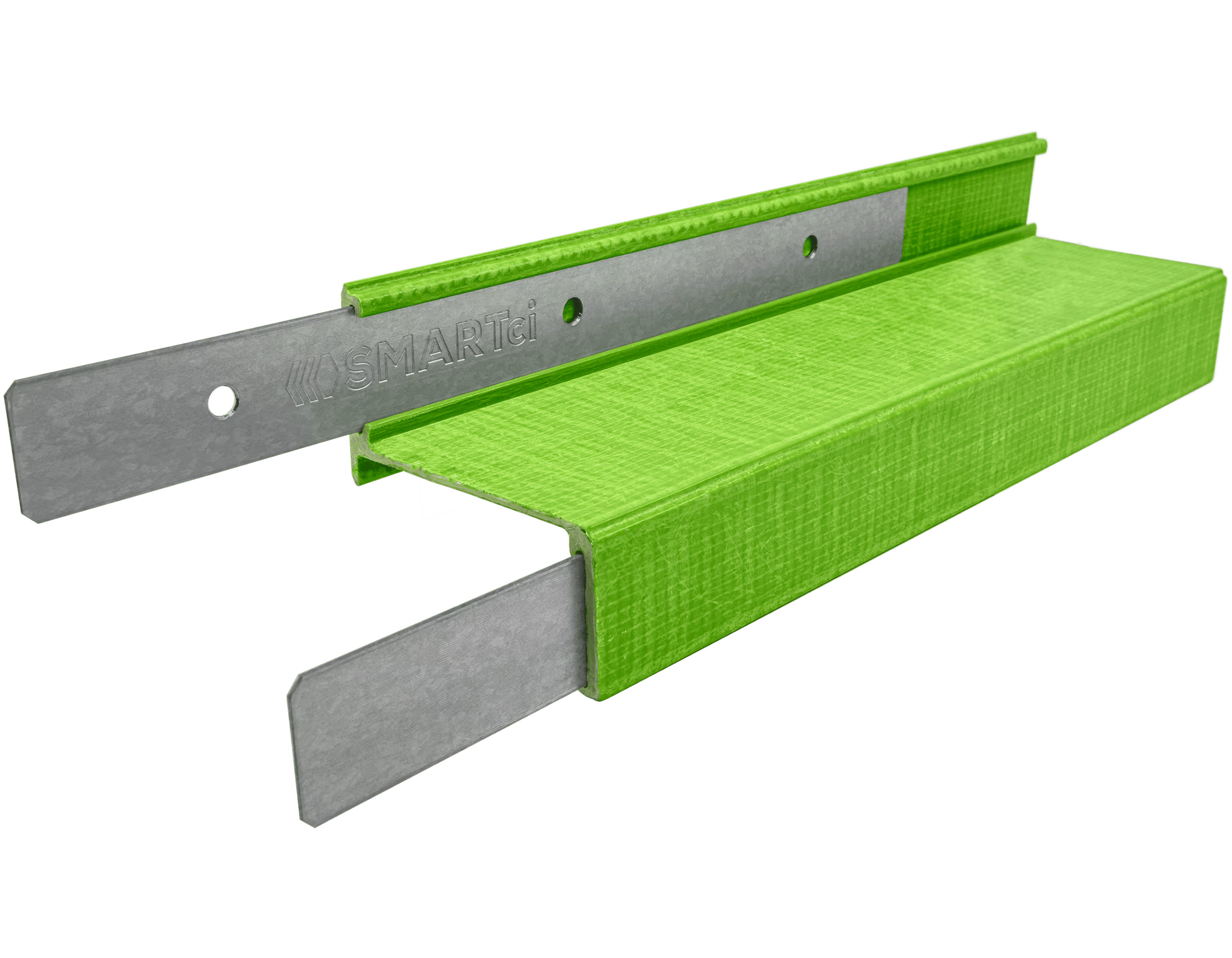
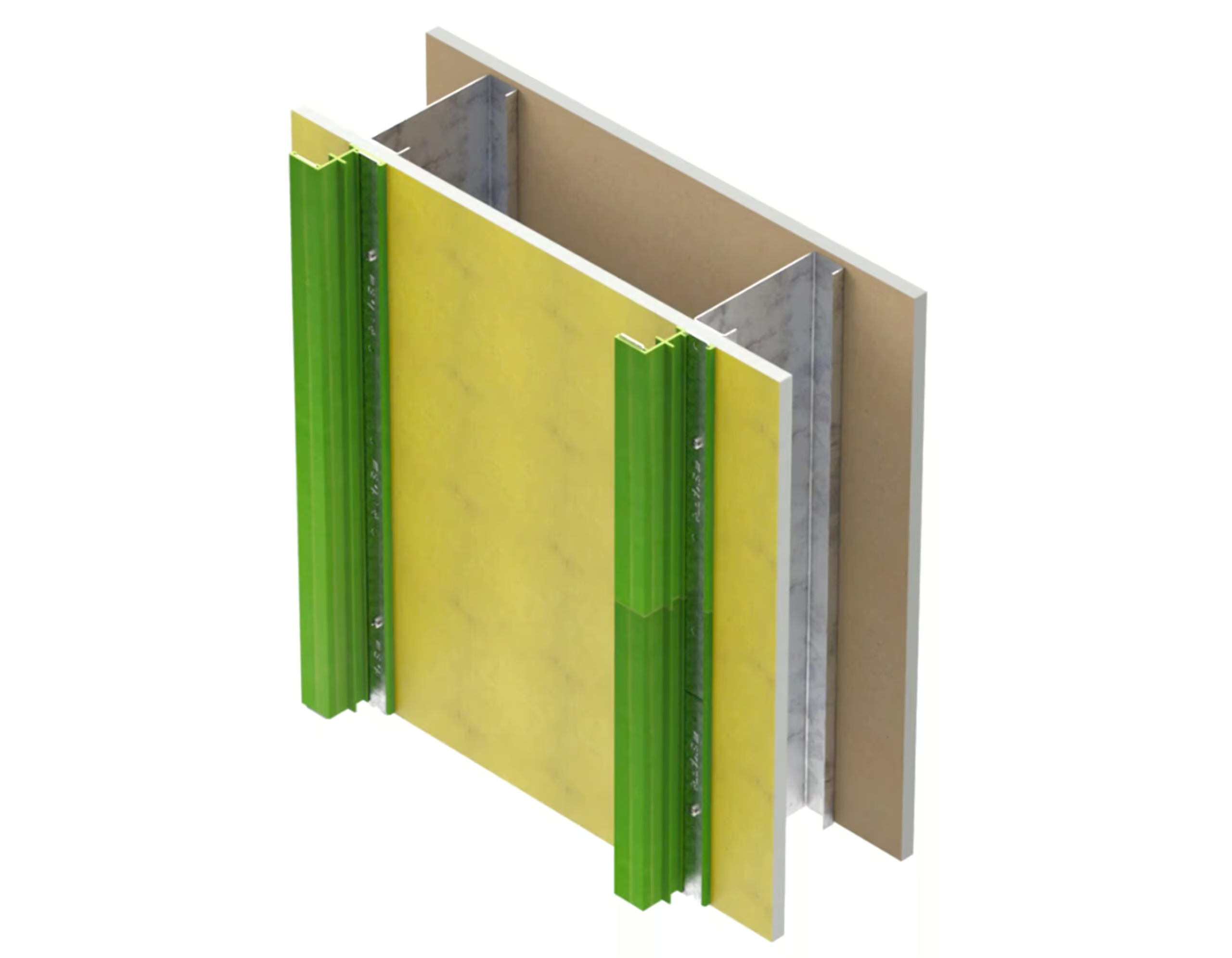
GreenGirt Max CMH™ is a Class I continuous insulation system with 0.20″ steel-reinforced flanges and engineered crosswise and lengthwise tensile strength through composite fiberglass materials, helping distribute loads and prevent material/fastener creep over time. GreenGirt Max CMH™ also guarantees permanent steel-to-steel connections via the steel-reinforced flanges, which FRP-only systems don’t have, leading to unavoidable failure at fastener points and decreased structural performance.
Is GreenGirt Max CMH™ available in stainless steel?
Yes. The steel-reinforced flanges on GreenGirt Max CMH™ are available in stainless steel for coastal, high-humidity, or otherwise corrosive environments, in addition to standard galvanized steel.
What cladding and substrates is GreenGirt Max CMH™ compatible with?
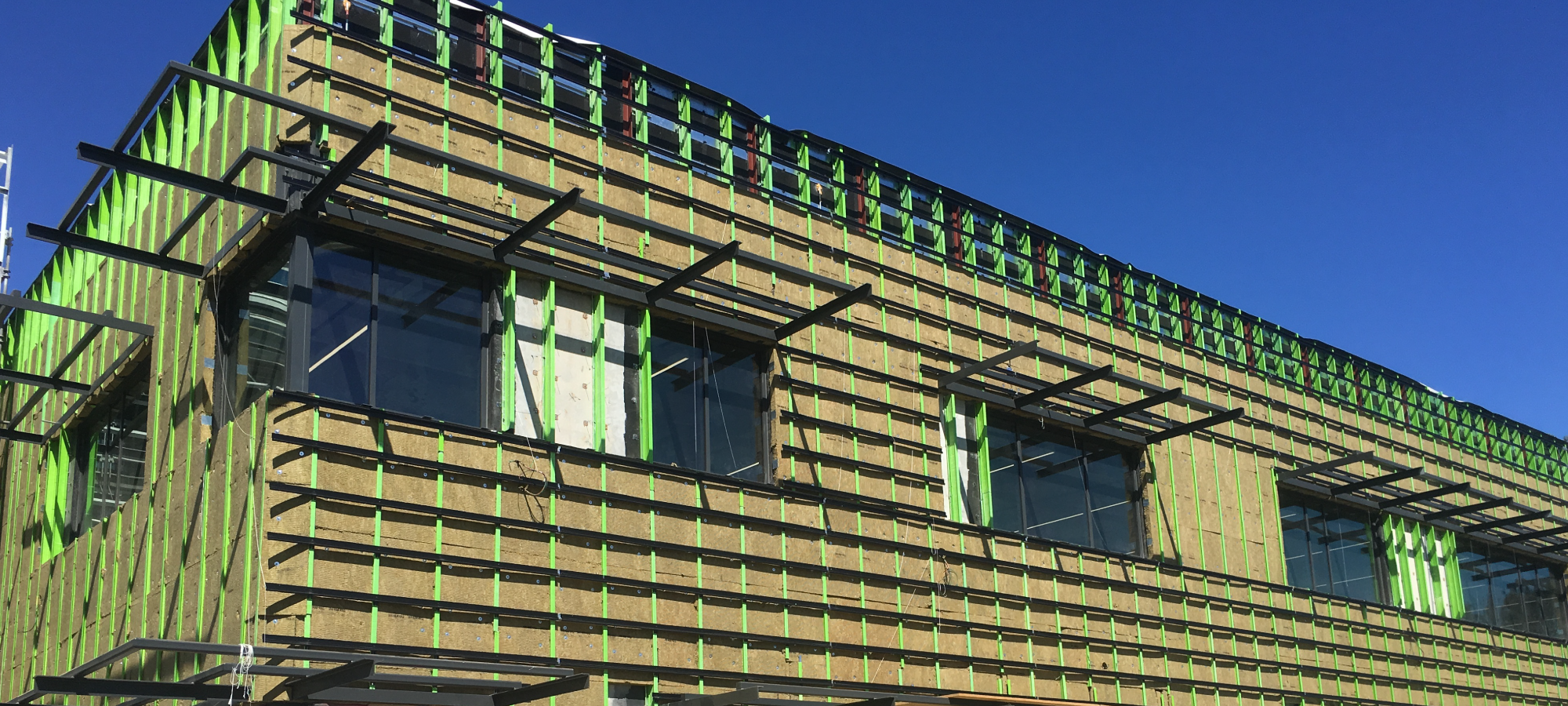
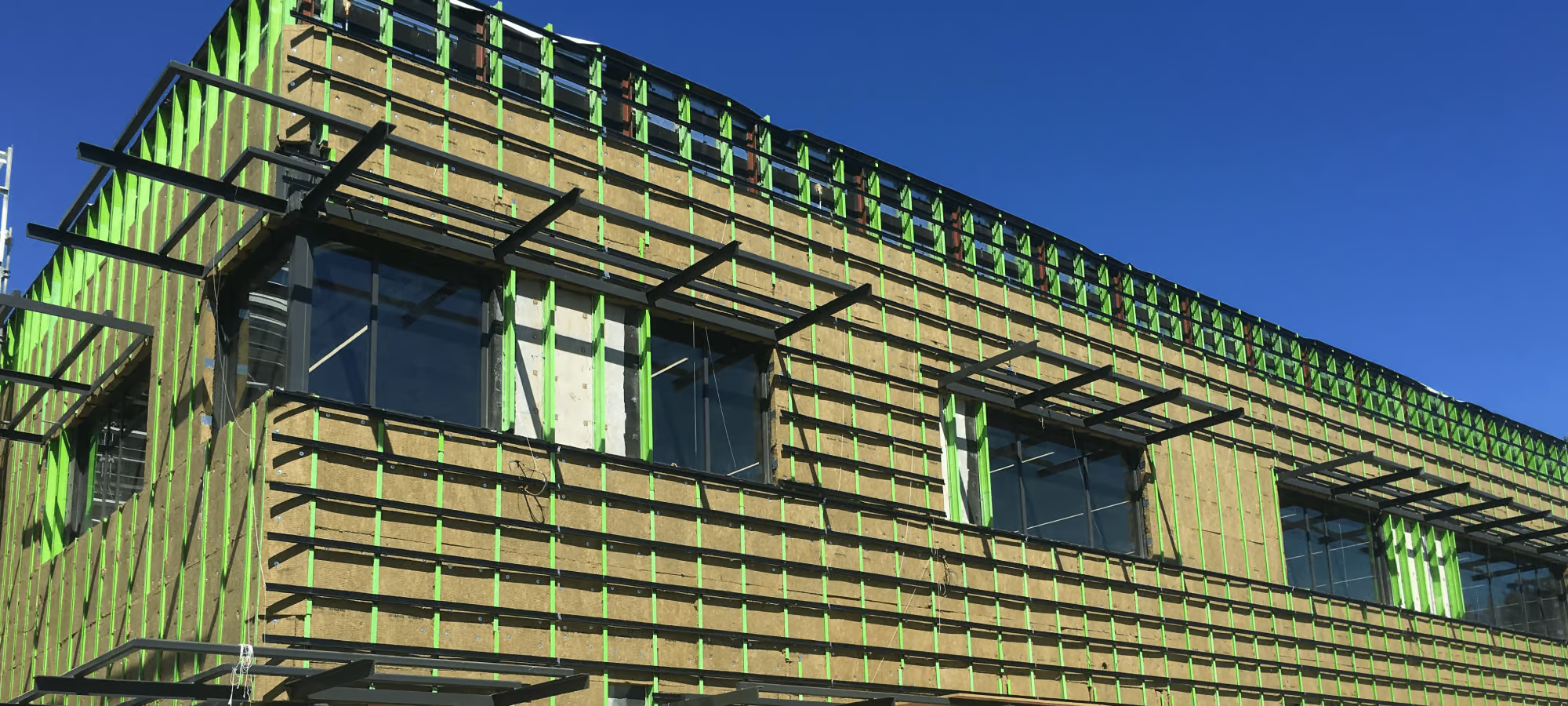
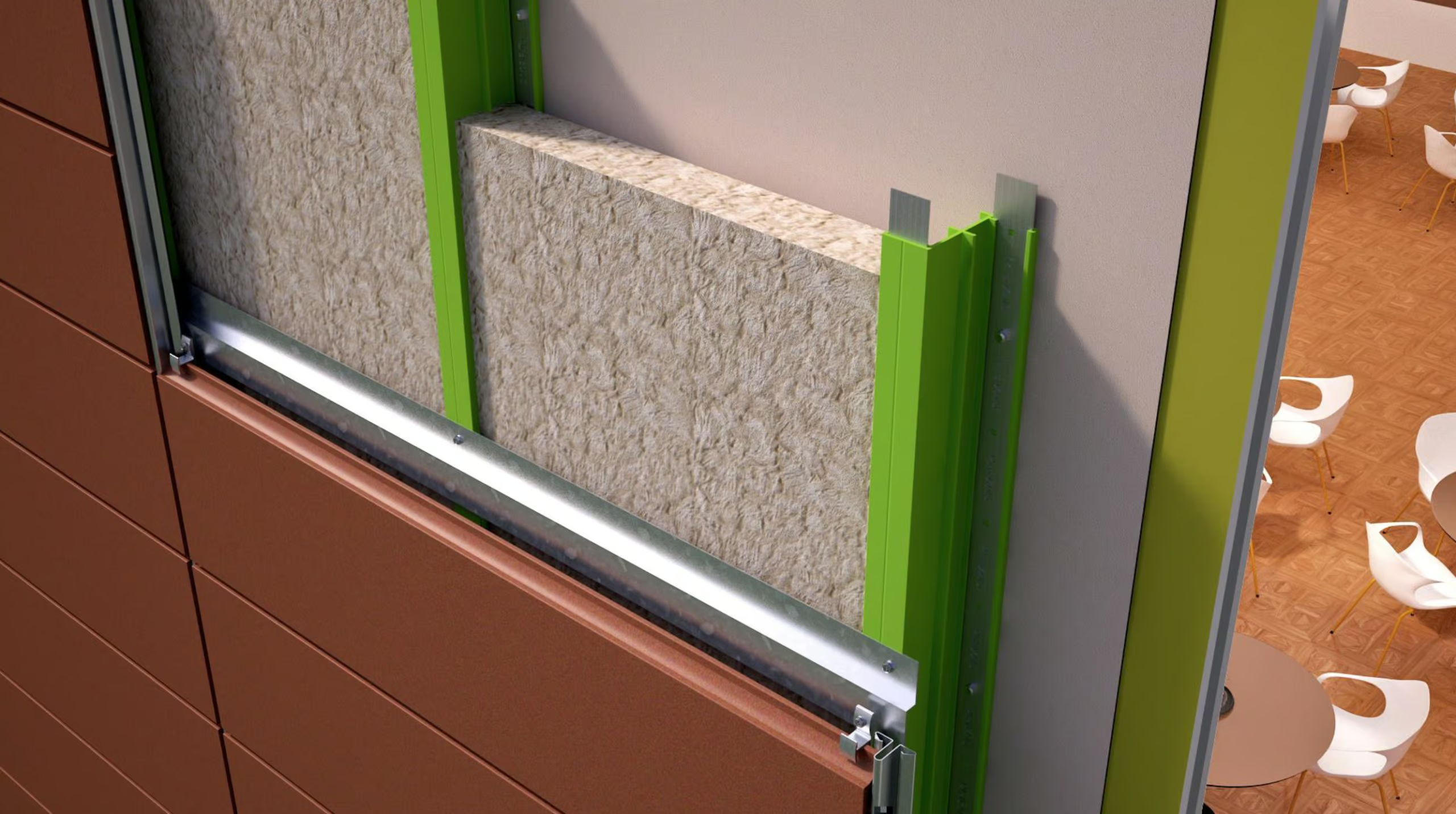
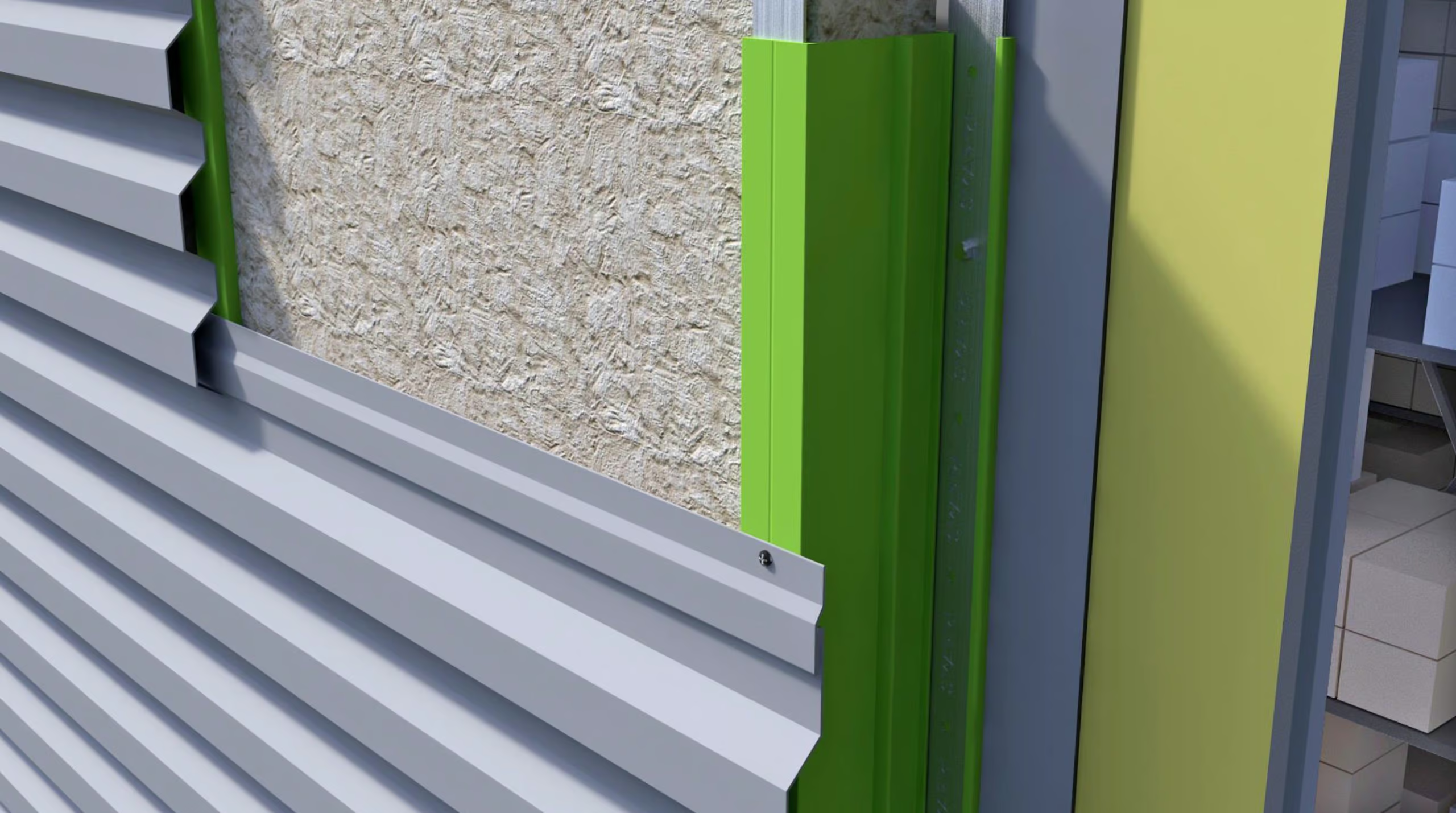
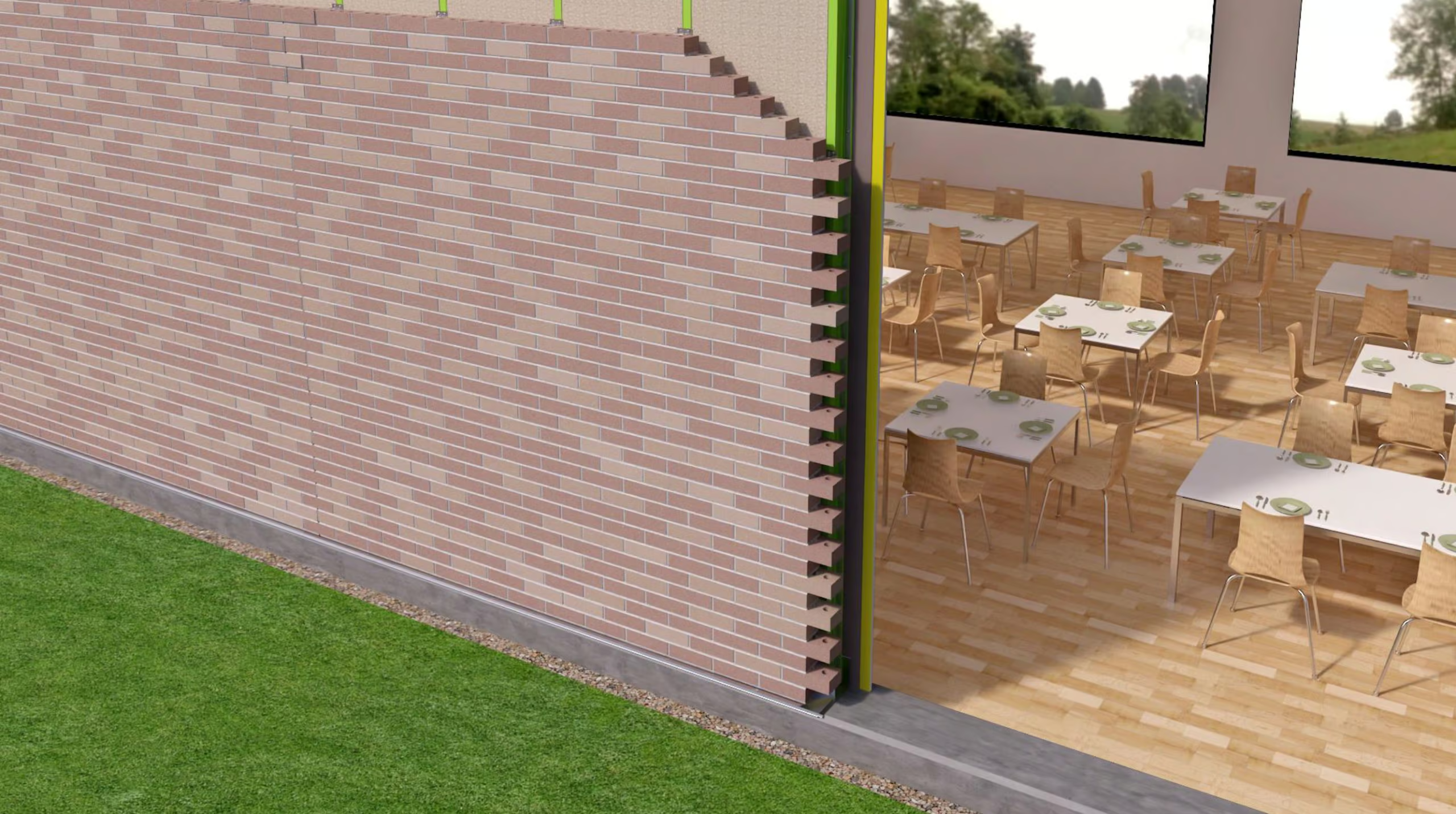
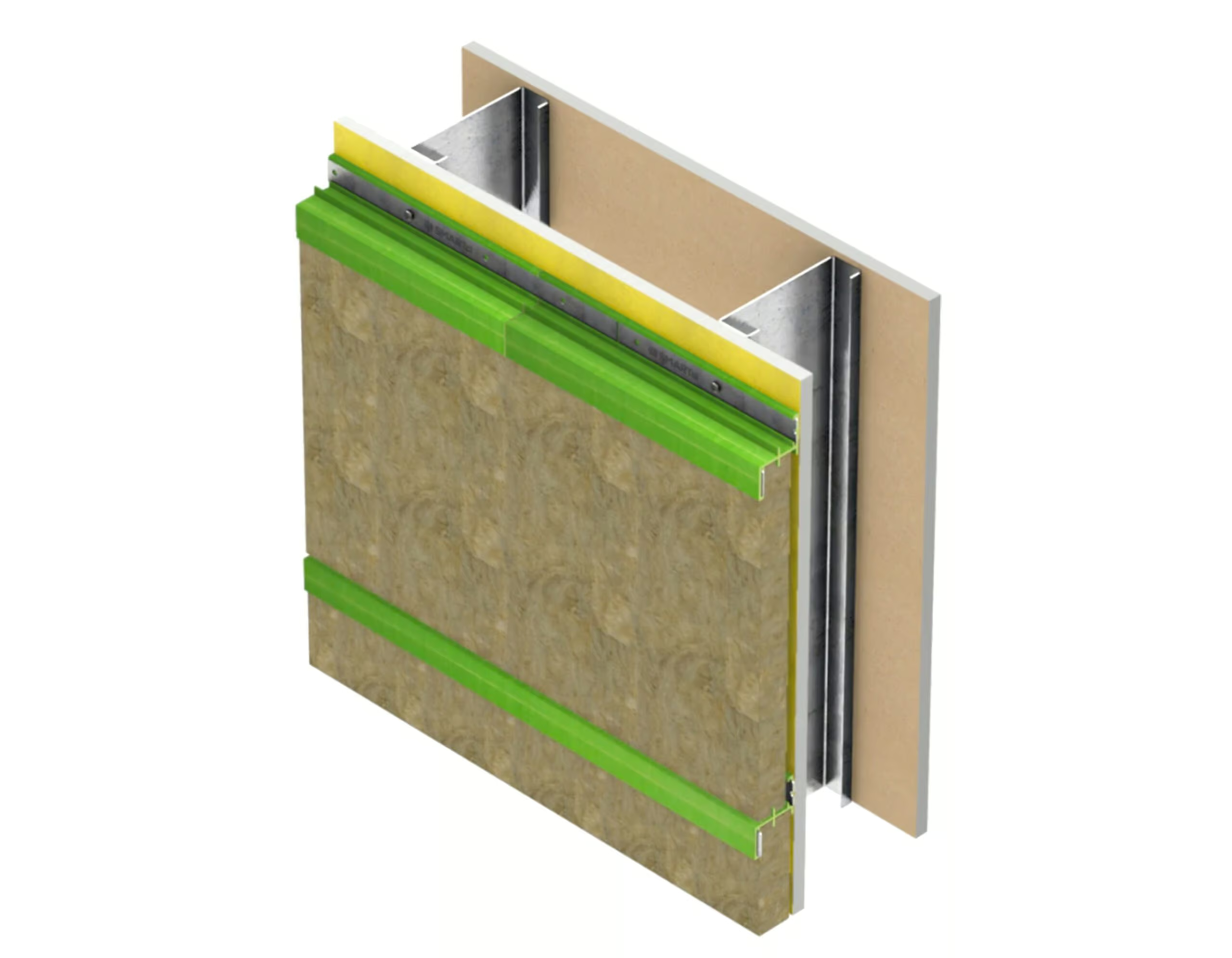
GreenGirt Max CMH™ is engineered for all weights of cladding, from lighter options such as ACM and fiber cement, to heavier claddings like terracotta and natural stone. On the substrate side, it’s compatible with masonry, concrete, or metal or wood studs with sheathing.
What insulation types and thicknesses work with GreenGirt Max CMH™?
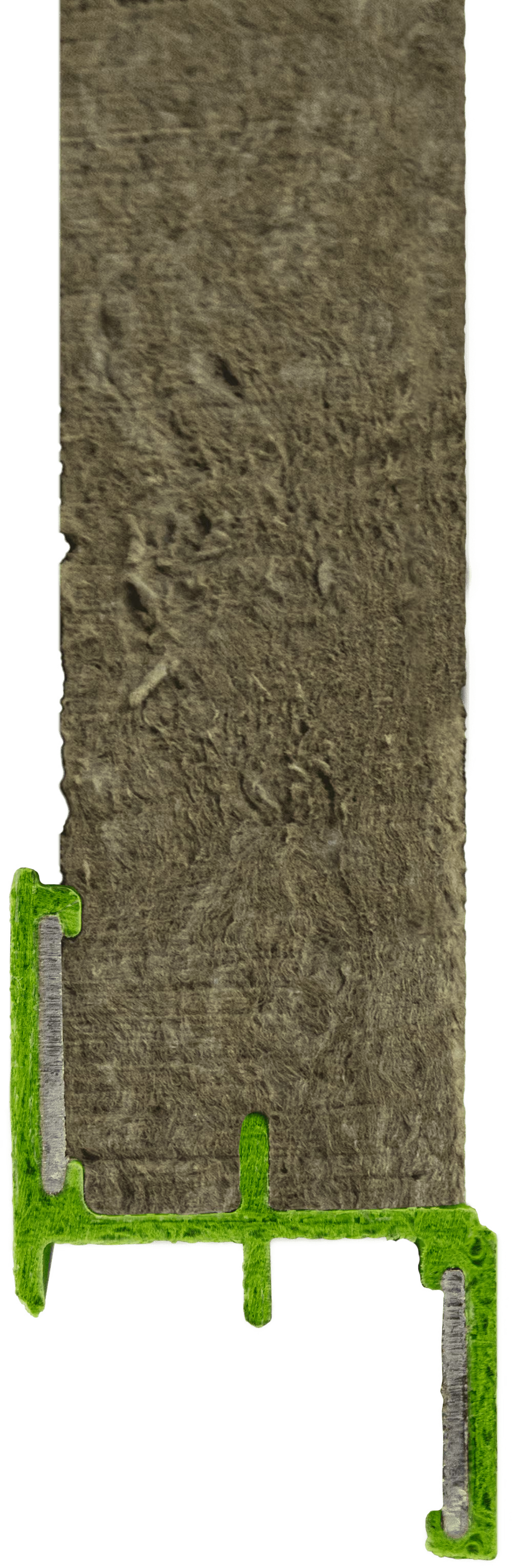
GreenGirt Max CMH™ is compatible with mineral wool and spray foam insulation, in thicknesses from 1.5″ to 8″. GreenGirt Max CMH™ Smooth, an optional insulation retention variant that excludes ThermaLock, is compatible with non-routed rigid insulation panels.
What is the thermal performance of GreenGirt Max CMH™?
GreenGirt Max CMH™ achieves overall assembly thermal efficiencies of 94-99%, depending on wall assembly type, stud spacing, and insulation depth.
How does fastener retention in GreenGirt Max CMH™ compare to FRP systems?
In independent testing, screws in generic FRP failed in as little as 59 seconds under sustained load at 180°F, while screws in GreenGirt Max CMH™ never let go. GreenGirt Max CMH routes fasteners into steel-reinforced flanges rather than composite material alone, forming a permanent steel-to-steel connection and avoiding the fastener failure common to FRP-only systems, where drilling can remove up to 60% of the material’s load-carrying capacity and concentrate stress beyond its interlaminar strength.