









Frequently Asked Questions (FAQs)
How is GreenGirt Optima CMH™ different from GreenGirt Max CMH™?
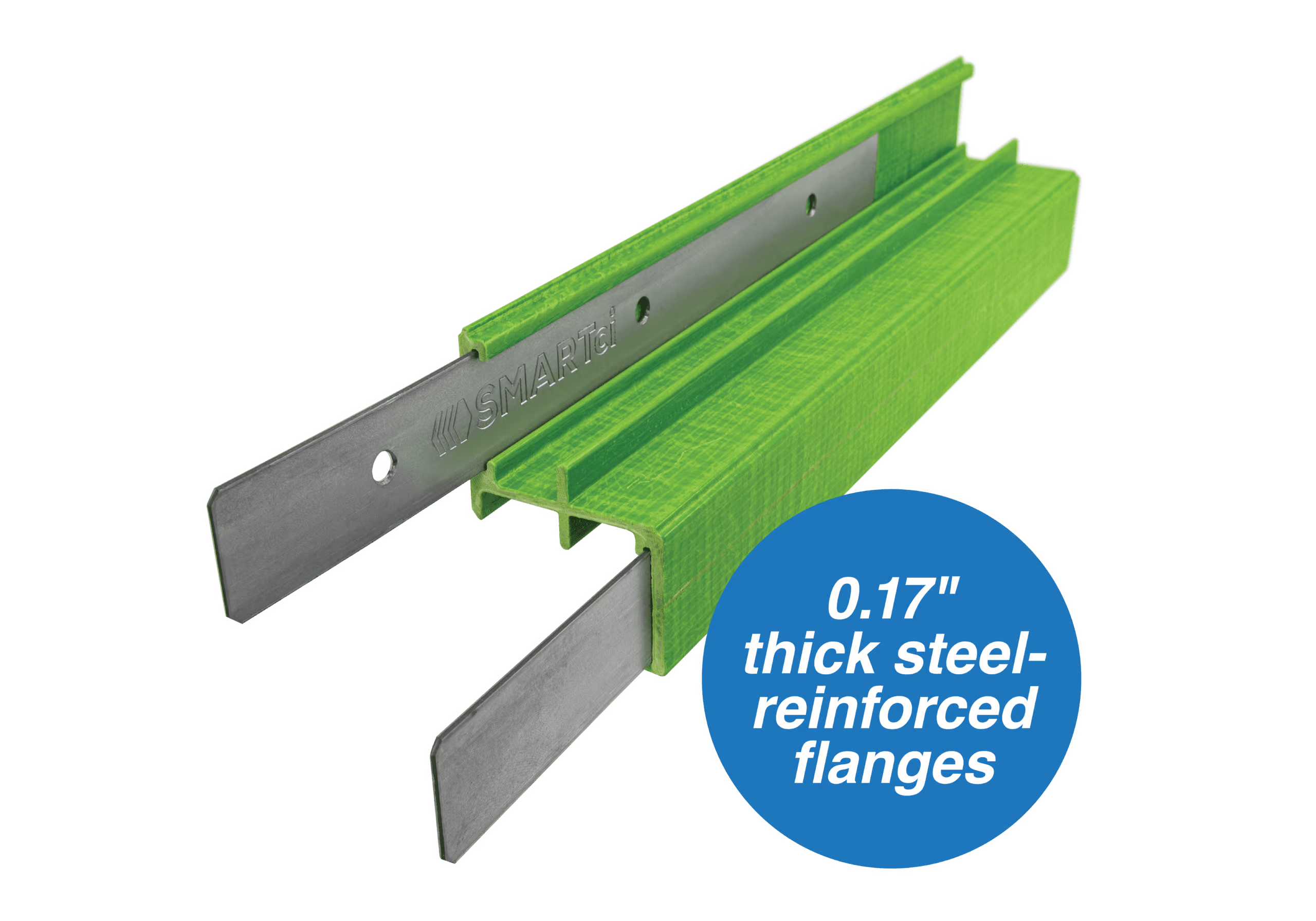
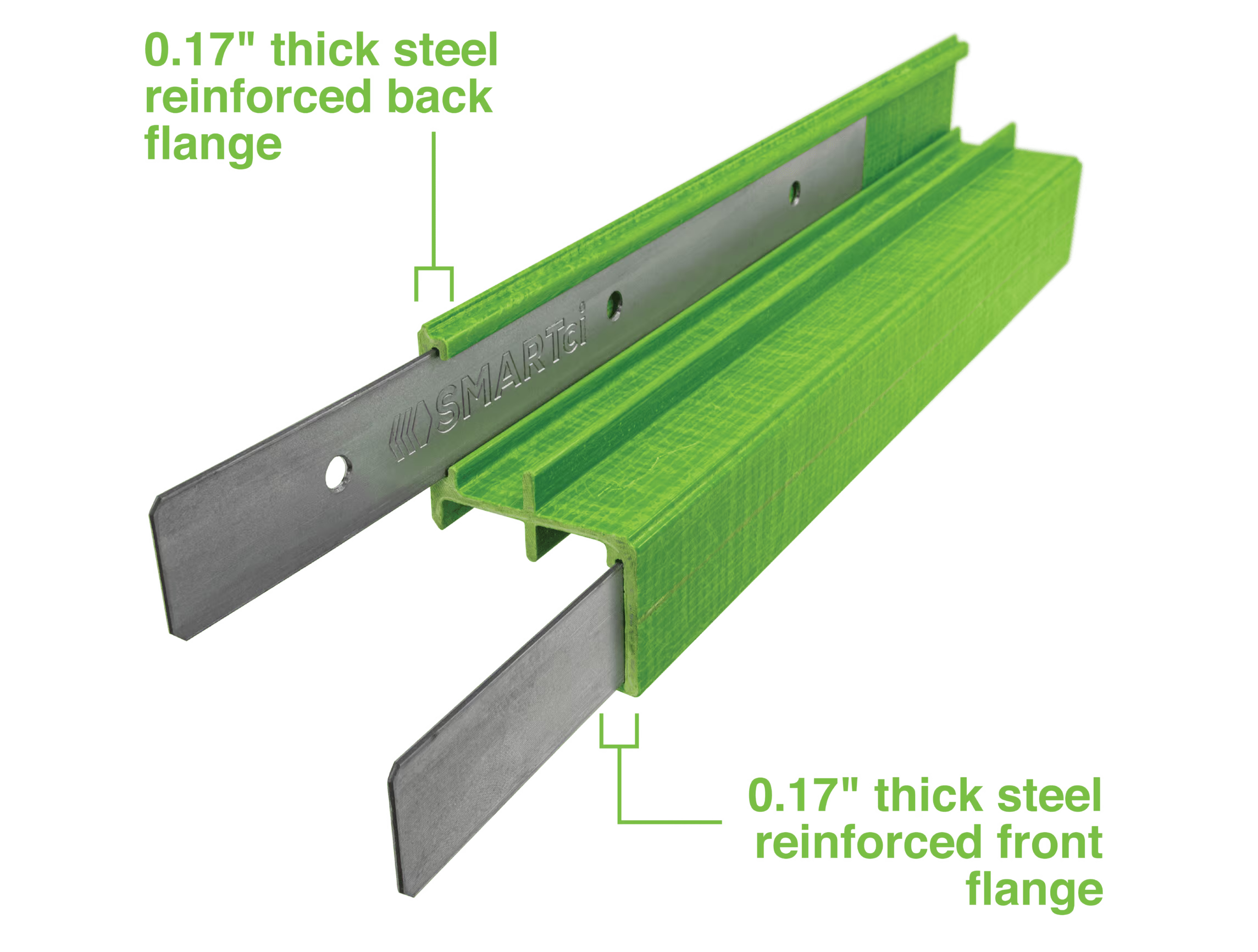
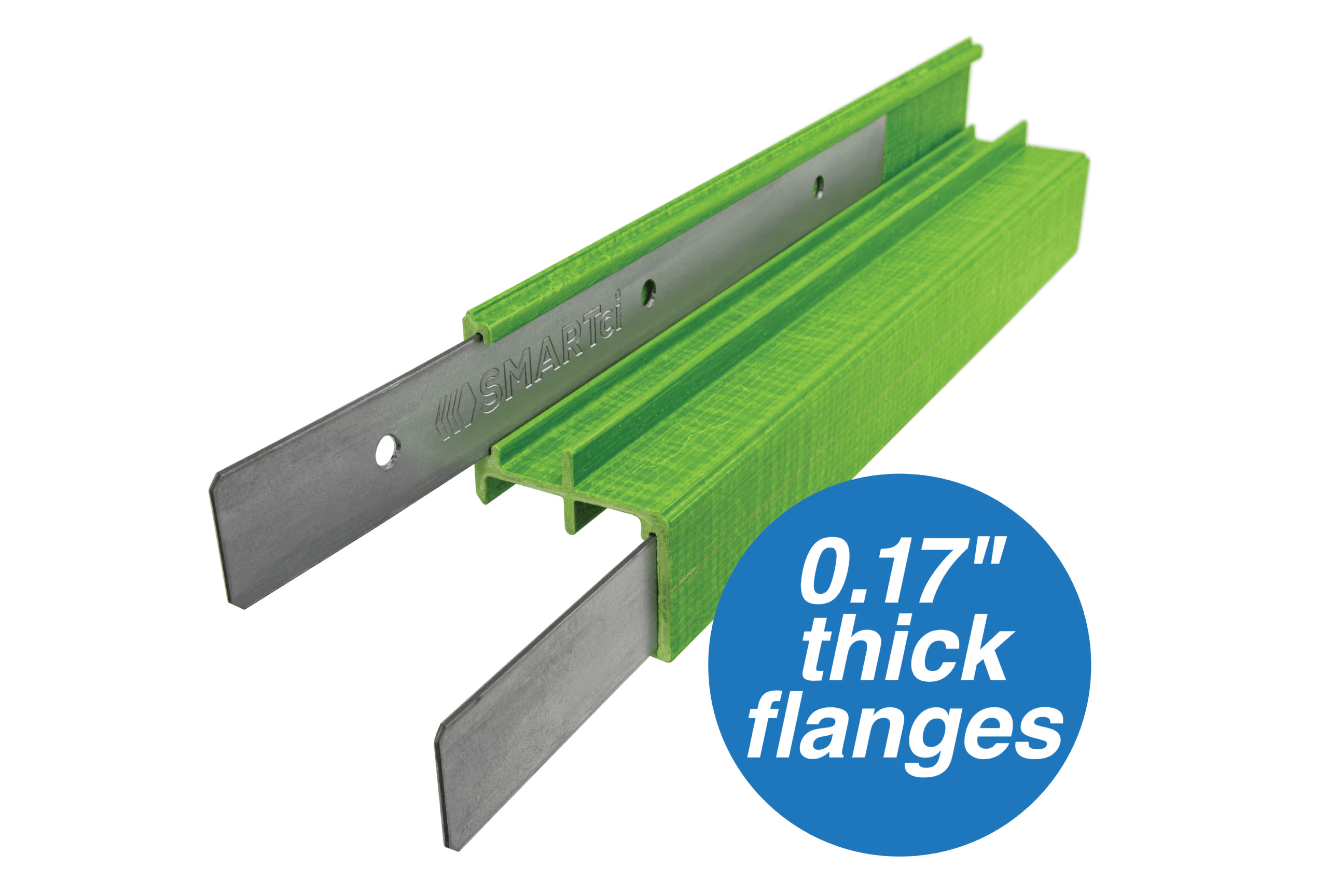
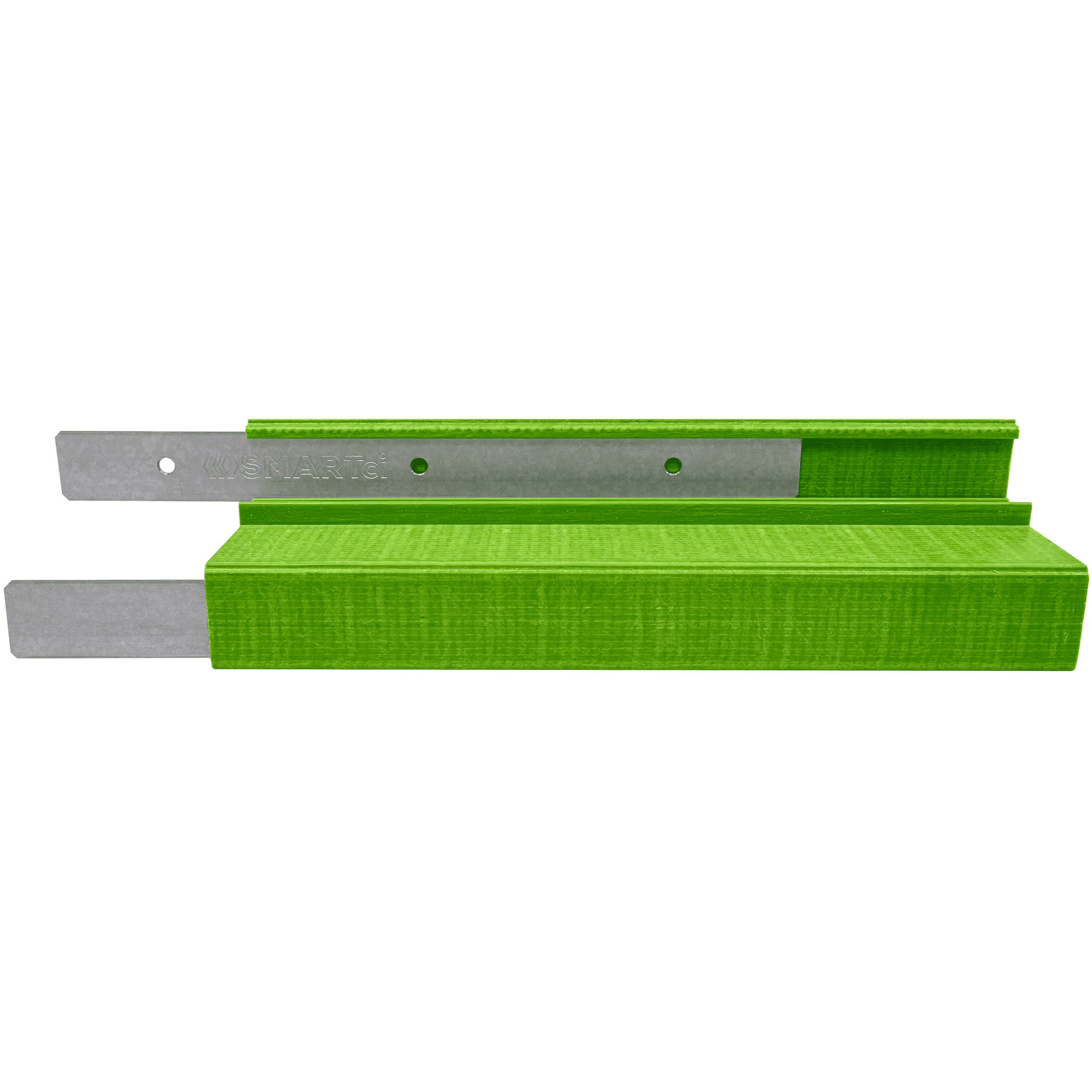
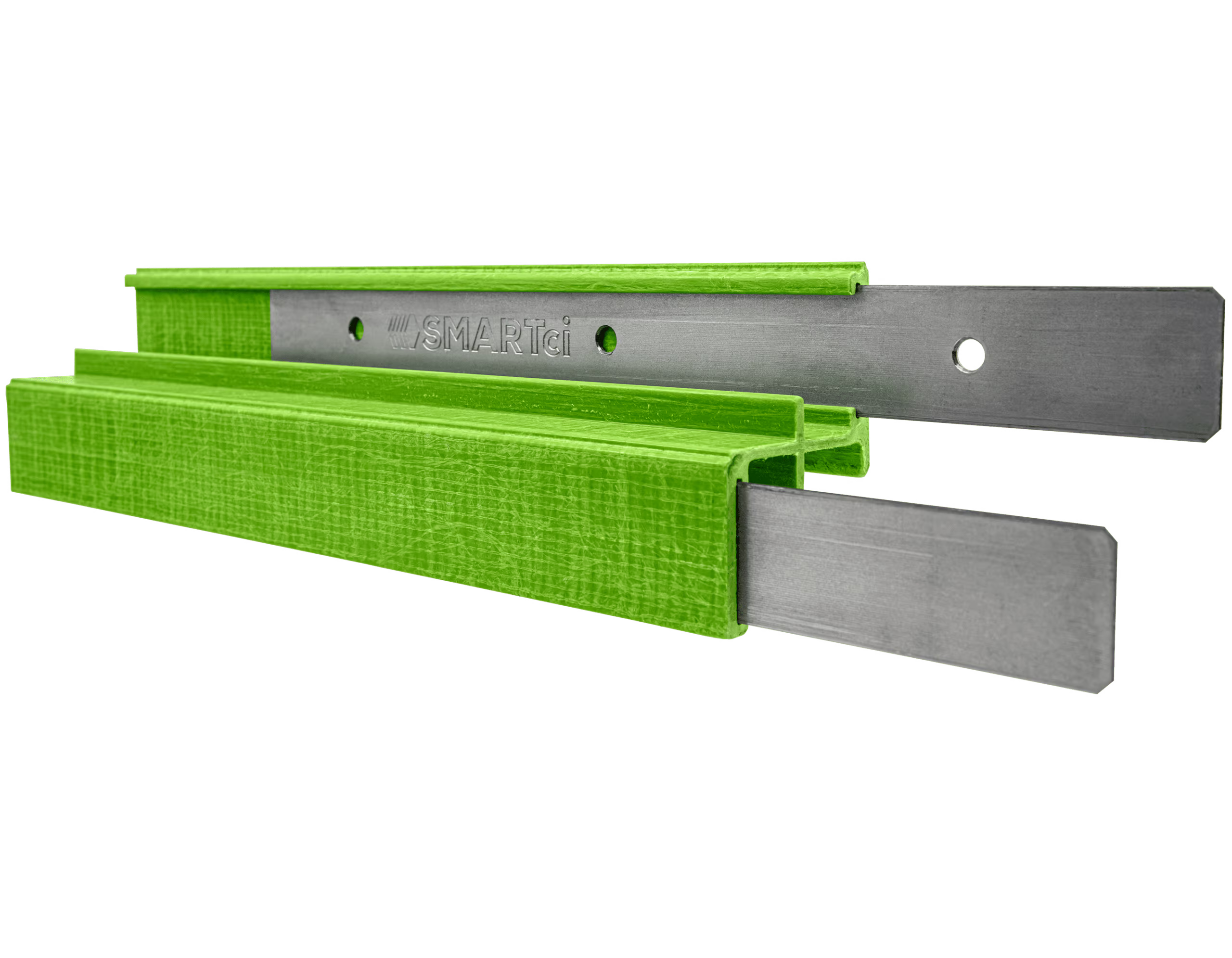
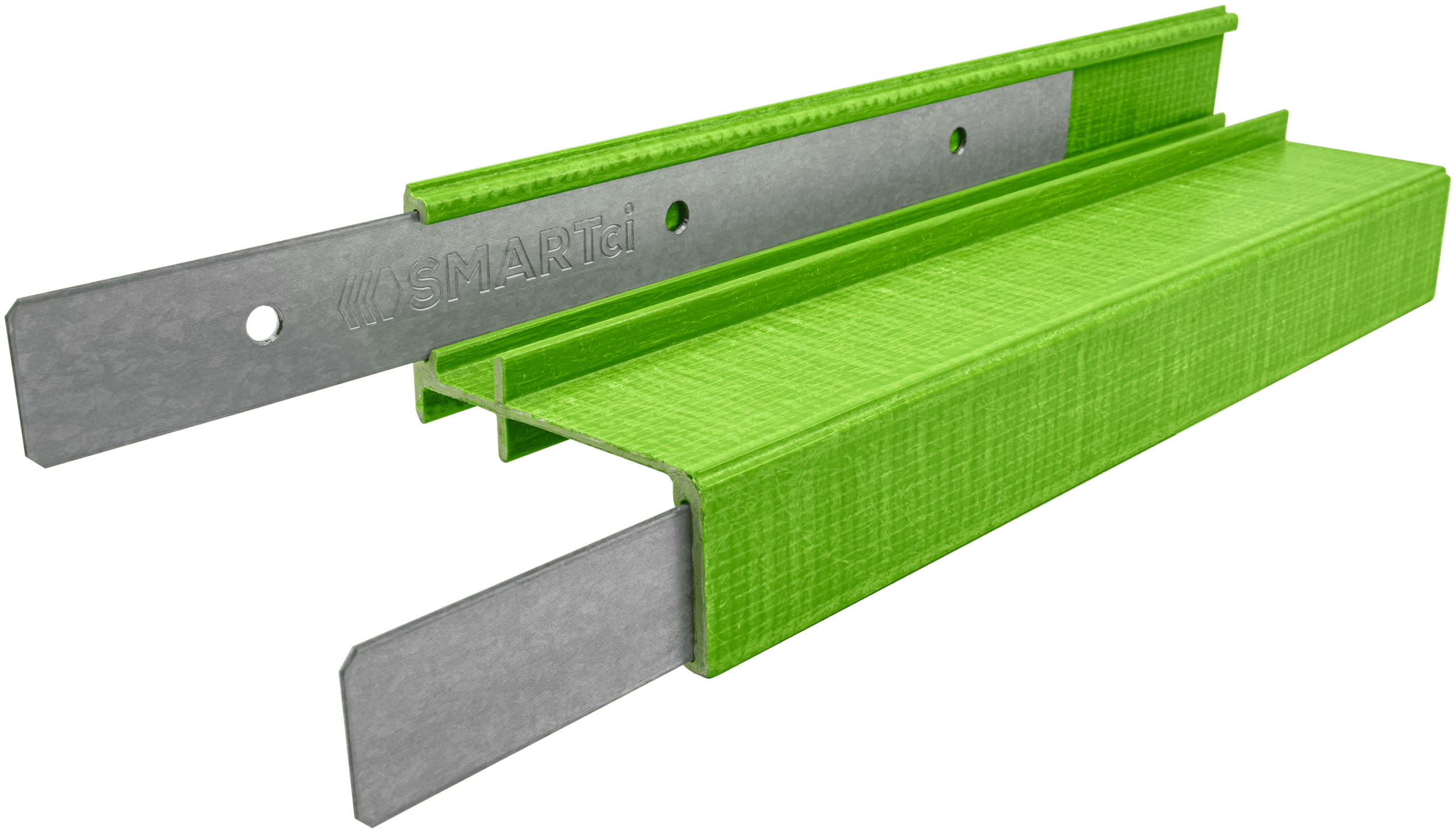
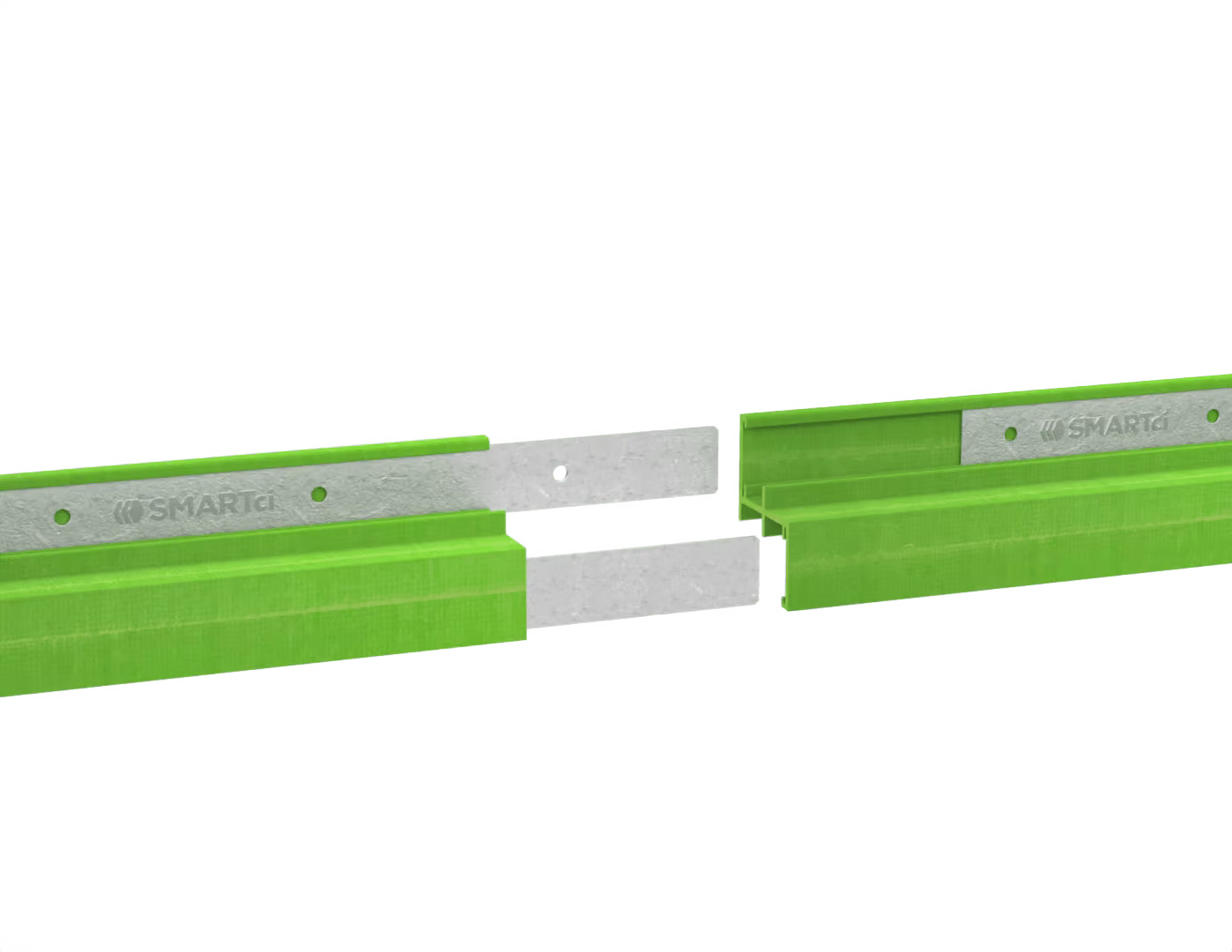
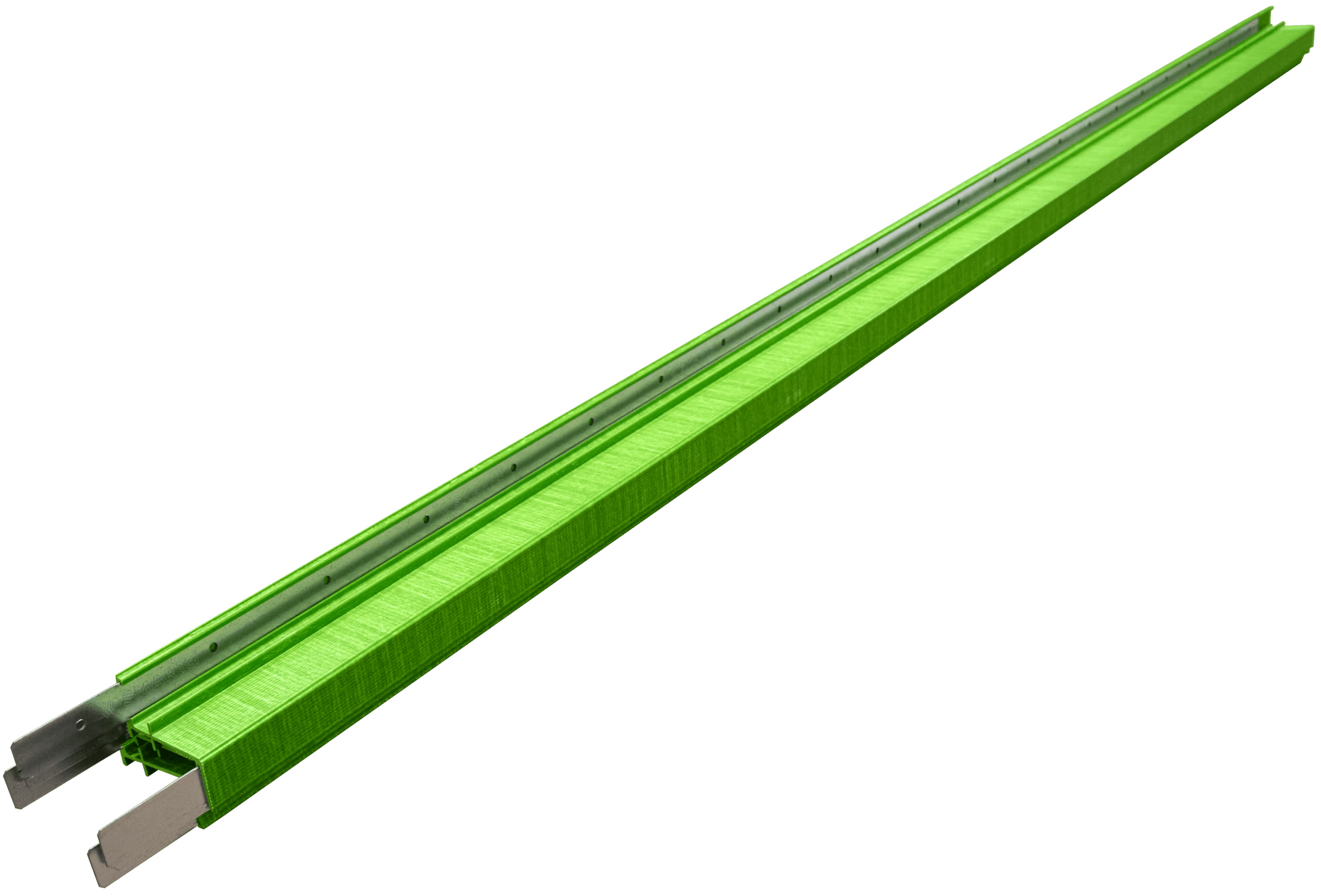
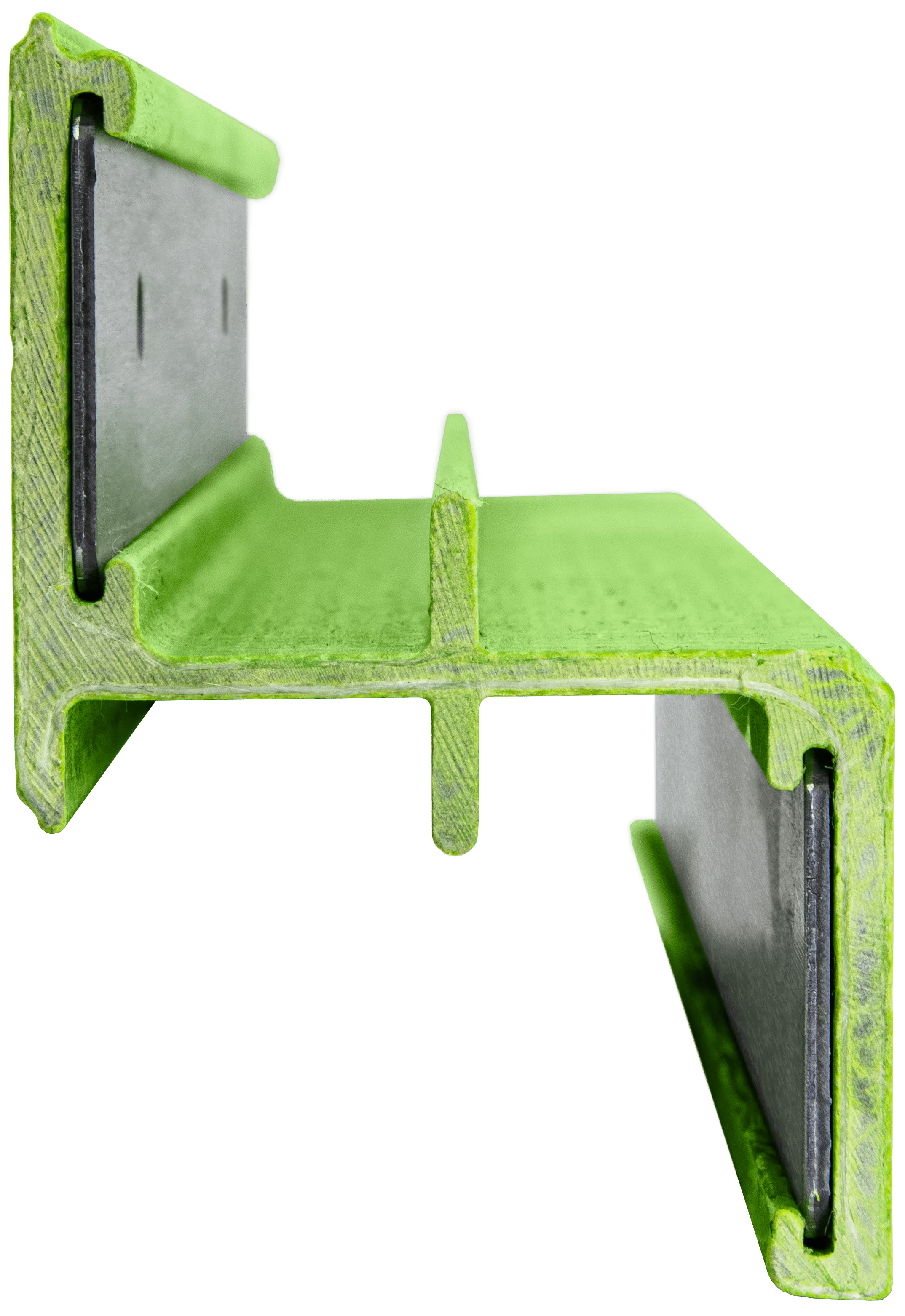
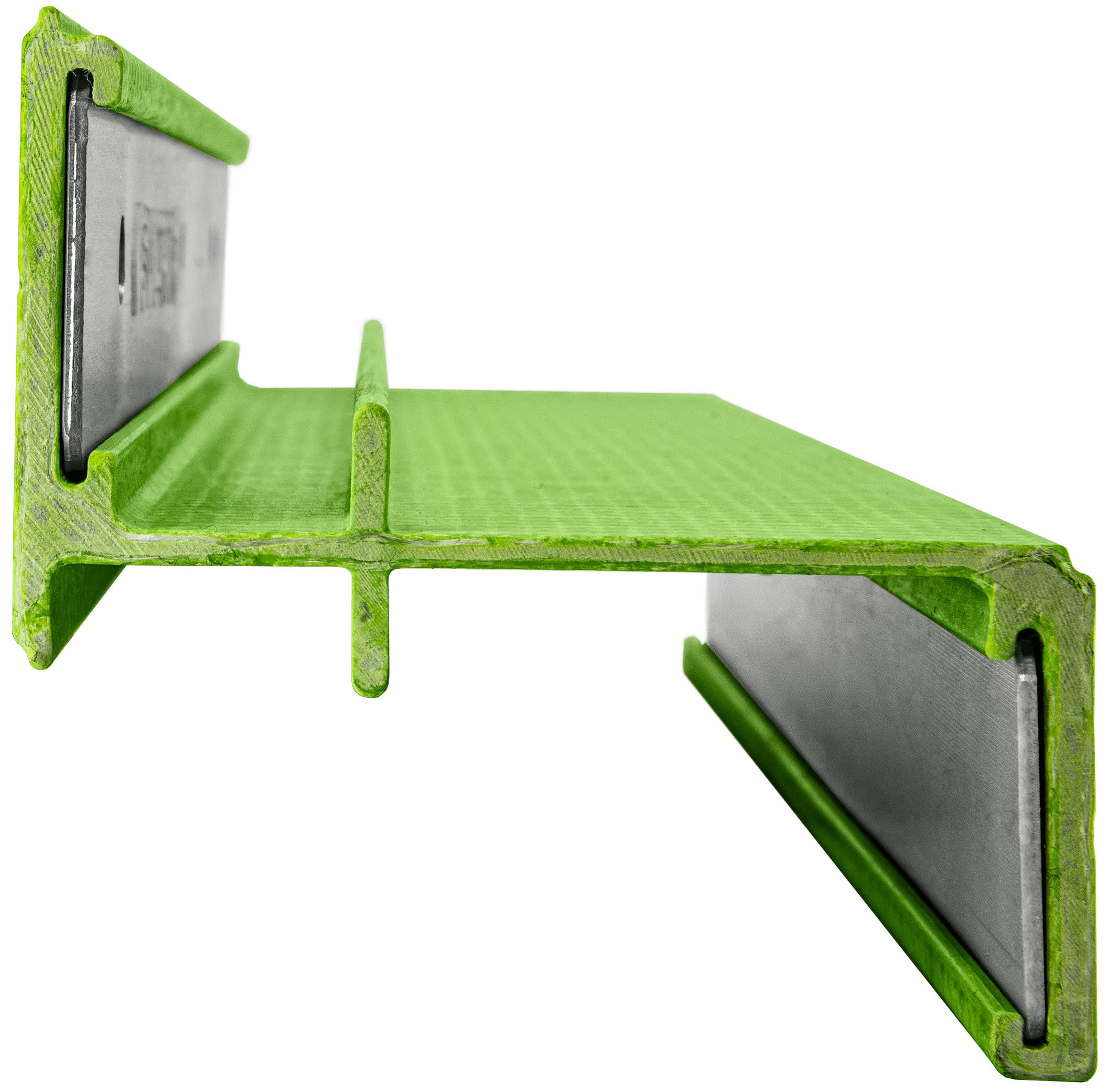
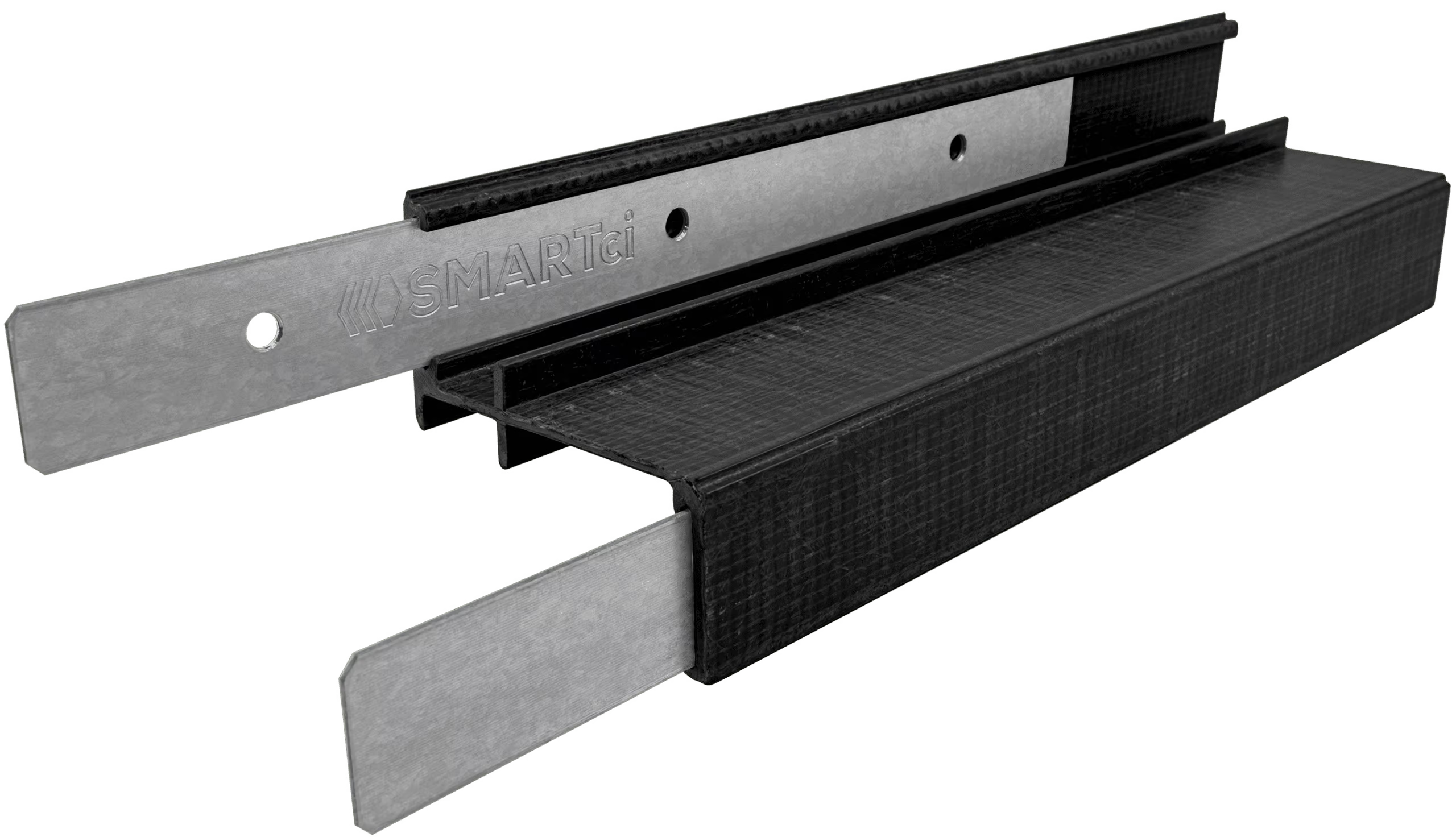
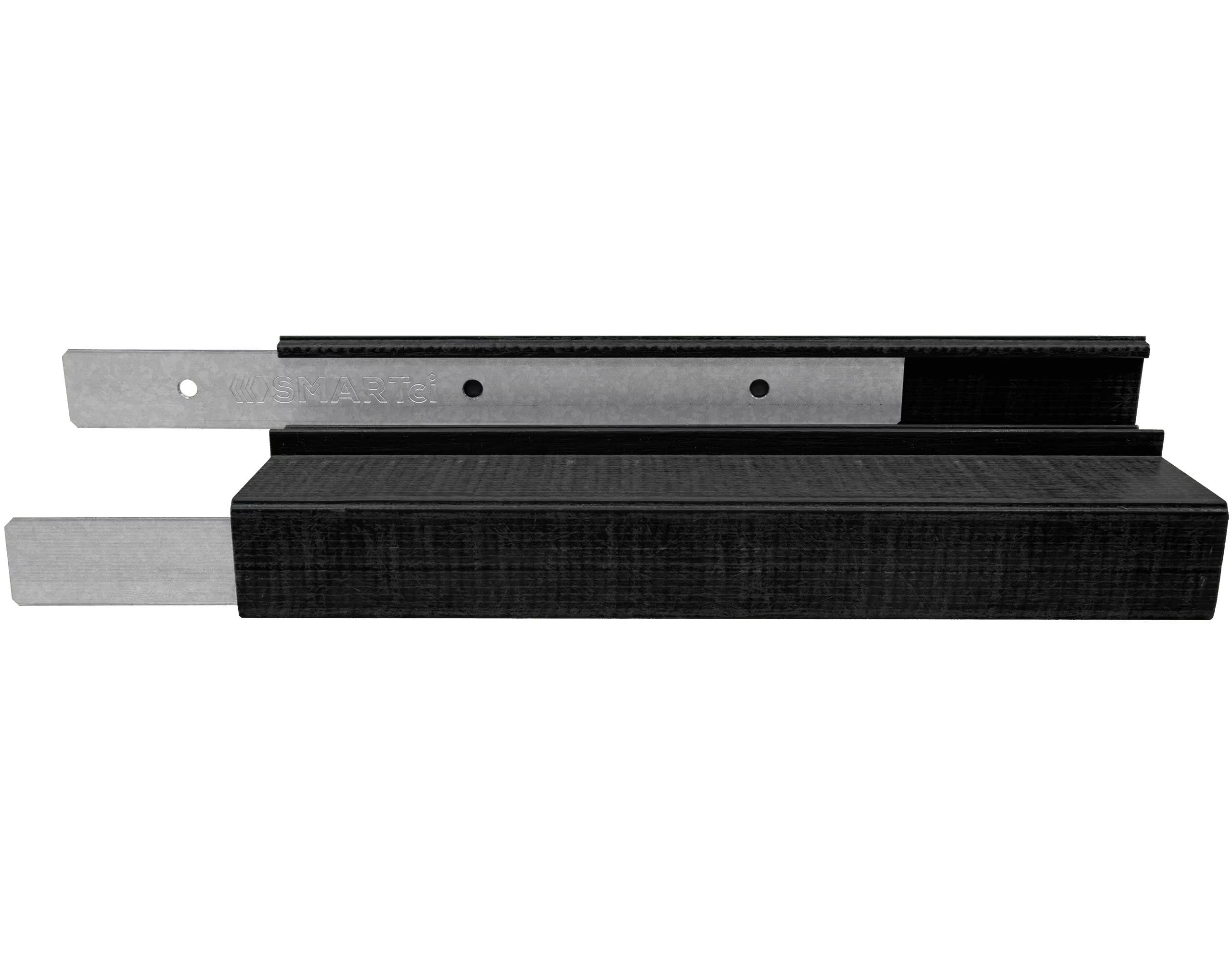
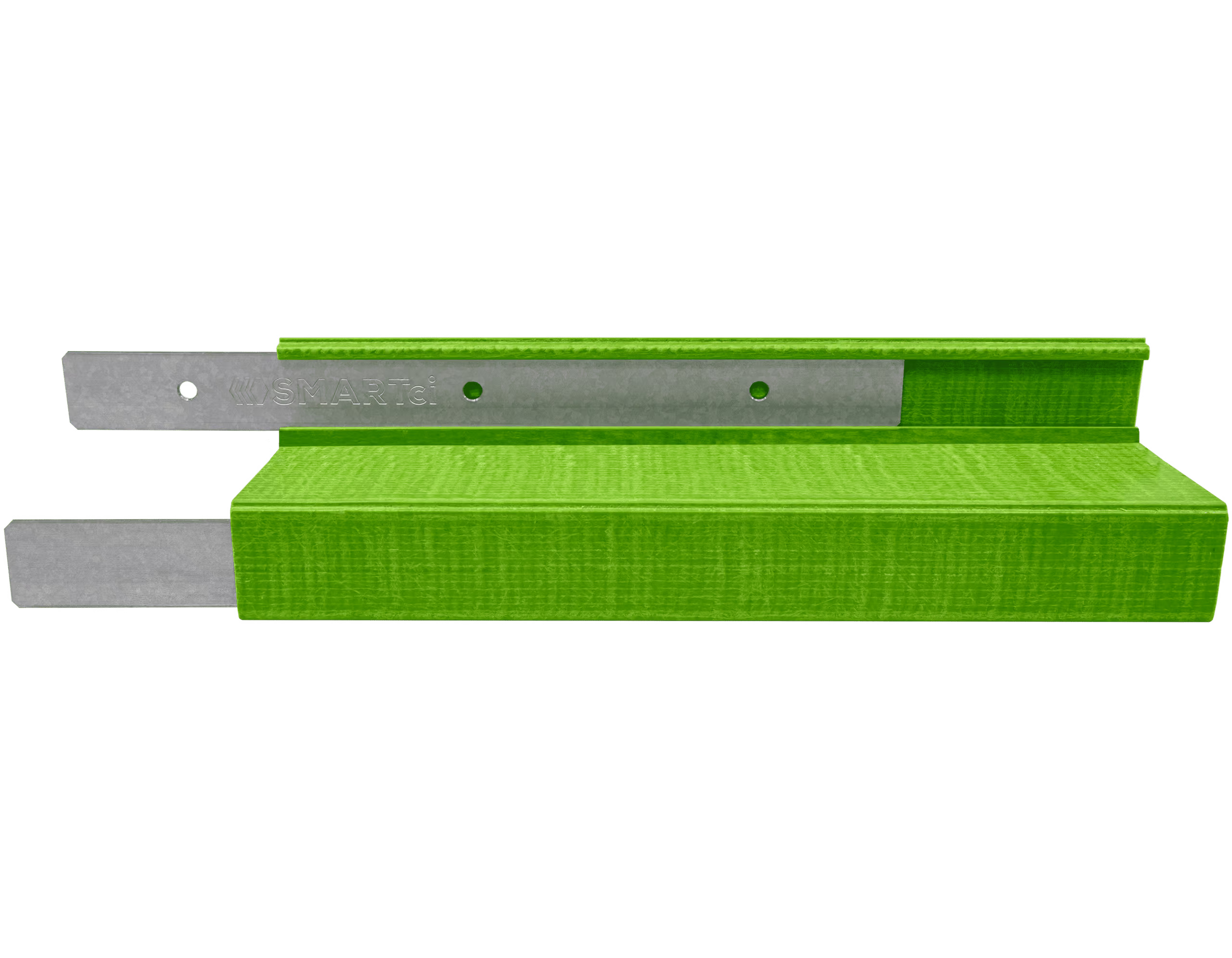
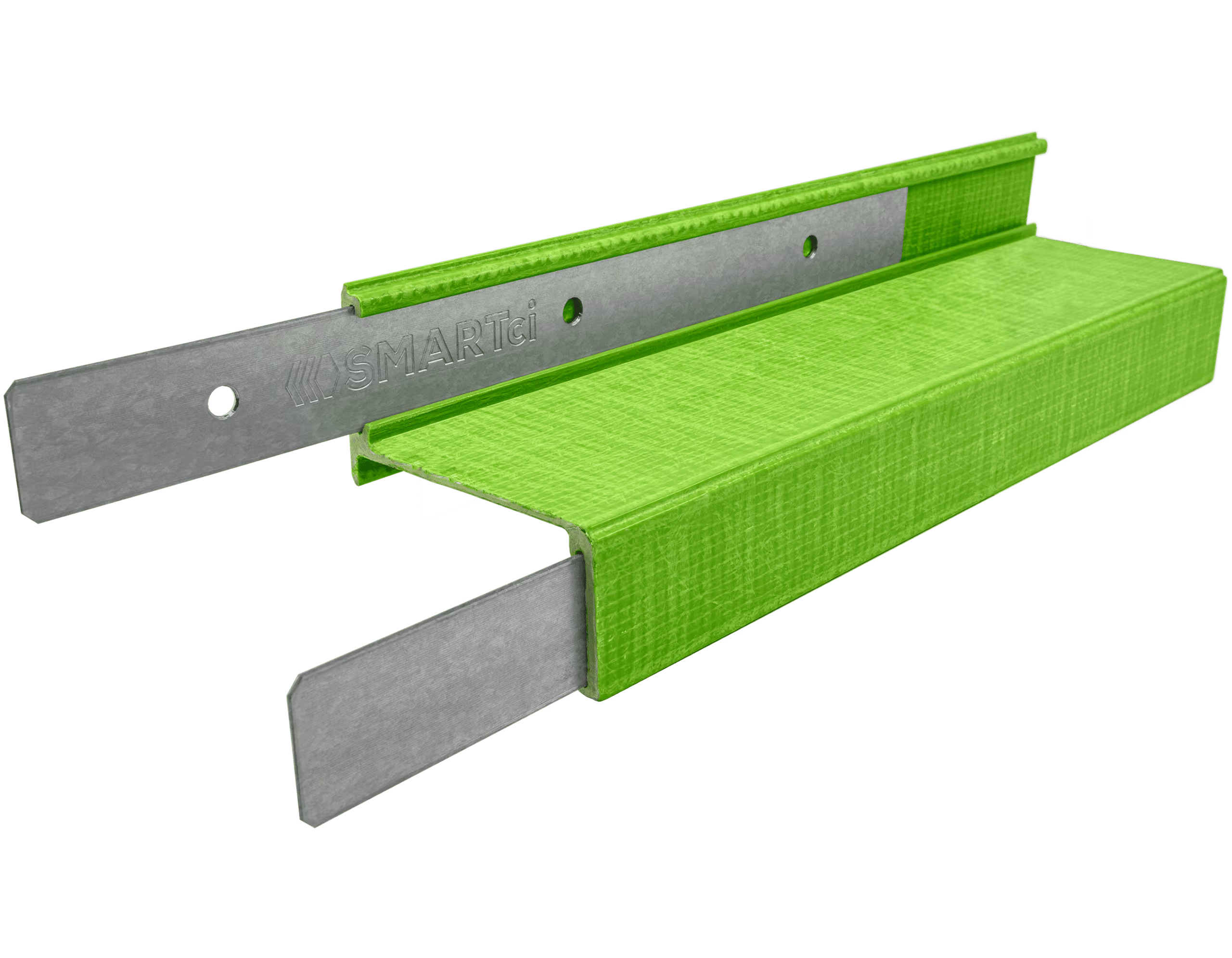
GreenGirt Optima CMH™ is engineered for light- to medium-weight cladding, as a more cost-effective alternative to the flagship GreenGirt Max CMH™, which is engineered for all cladding weights up to heavy claddings like terracotta and natural stone. GreenGirt Optima CMH™ also uses thinner 0.17″ steel-reinforced flanges (versus GreenGirt Max CMH’s 0.20″ flanges), reducing steel use and embodied carbon while still delivering the highest strength-to-weight ratio in its class.
Is GreenGirt Optima CMH™ available in stainless steel?
Yes. The steel-reinforced flanges on GreenGirt Optima CMH™ are available in stainless steel for coastal, high-humidity, or otherwise corrosive environments, in addition to standard galvanized steel.
What cladding and substrates is GreenGirt Optima CMH™ compatible with?
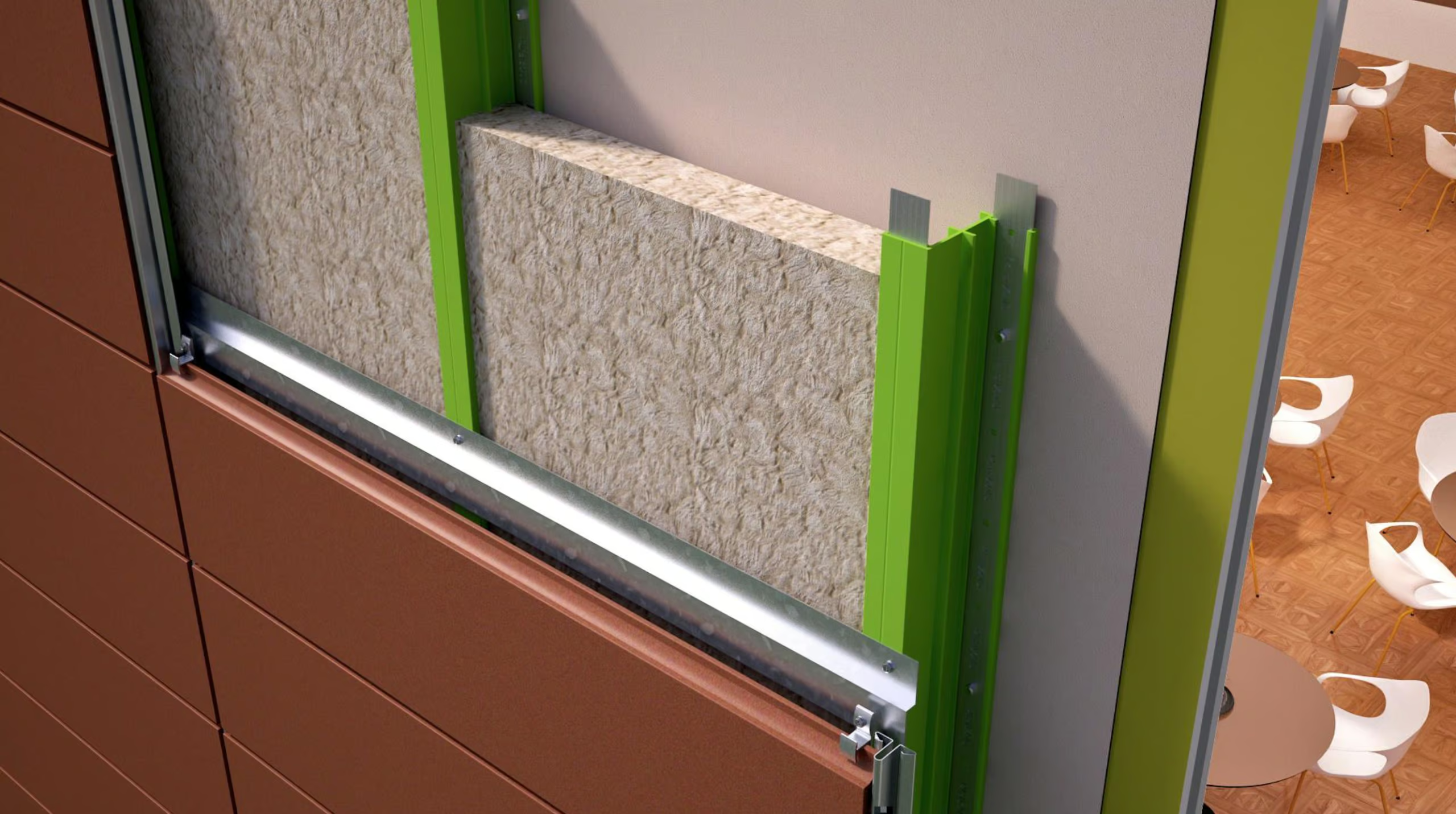
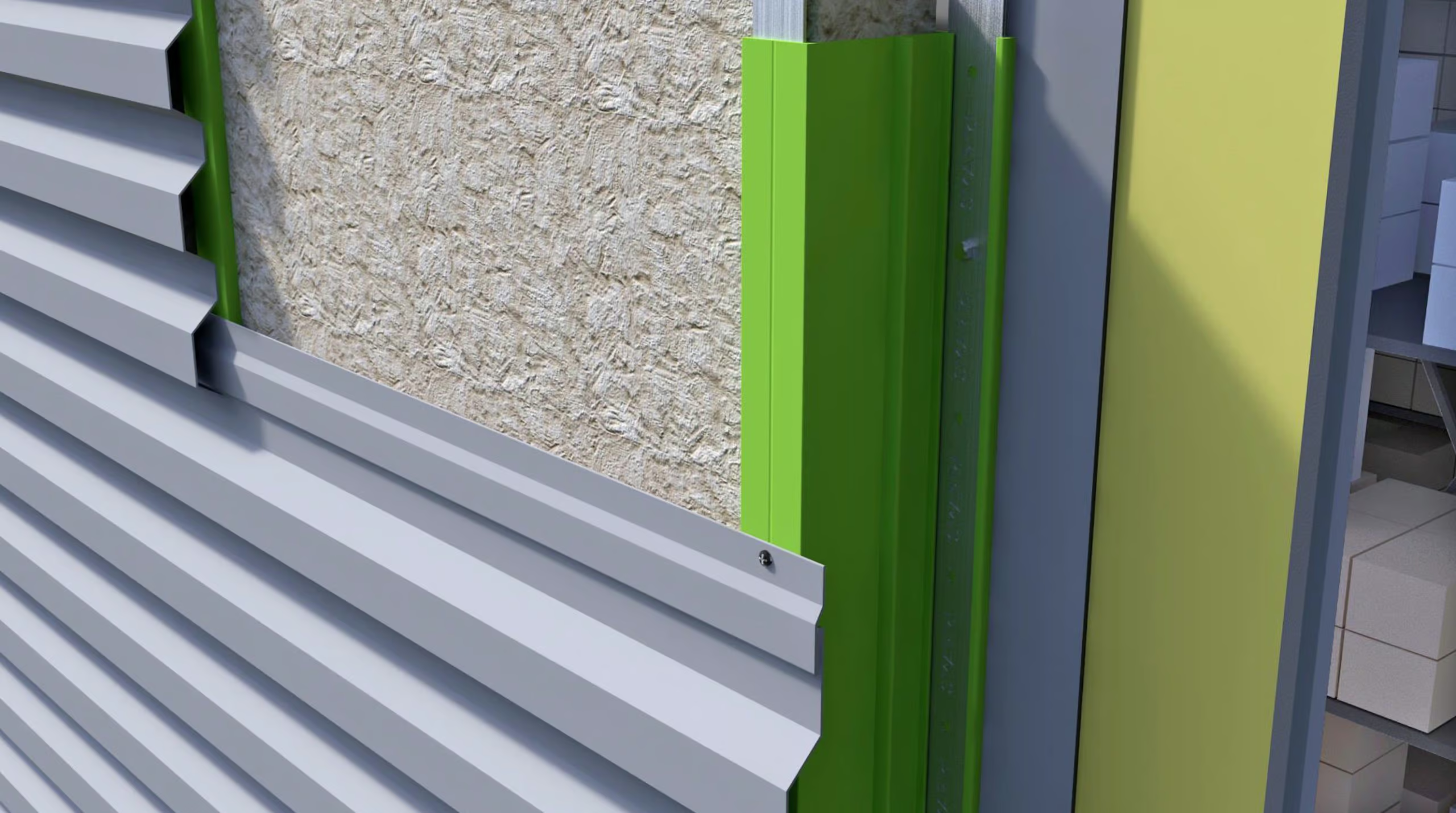
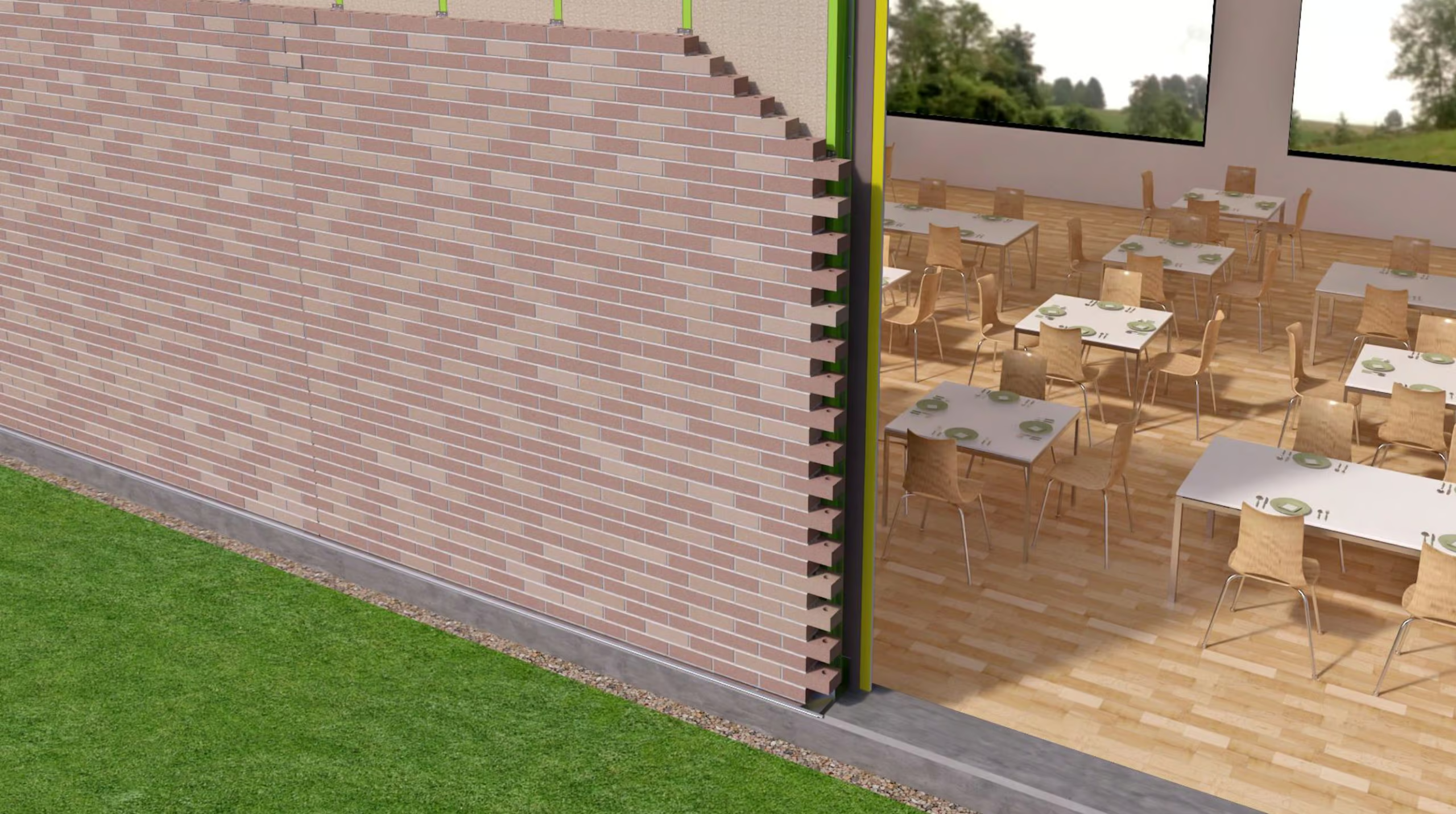
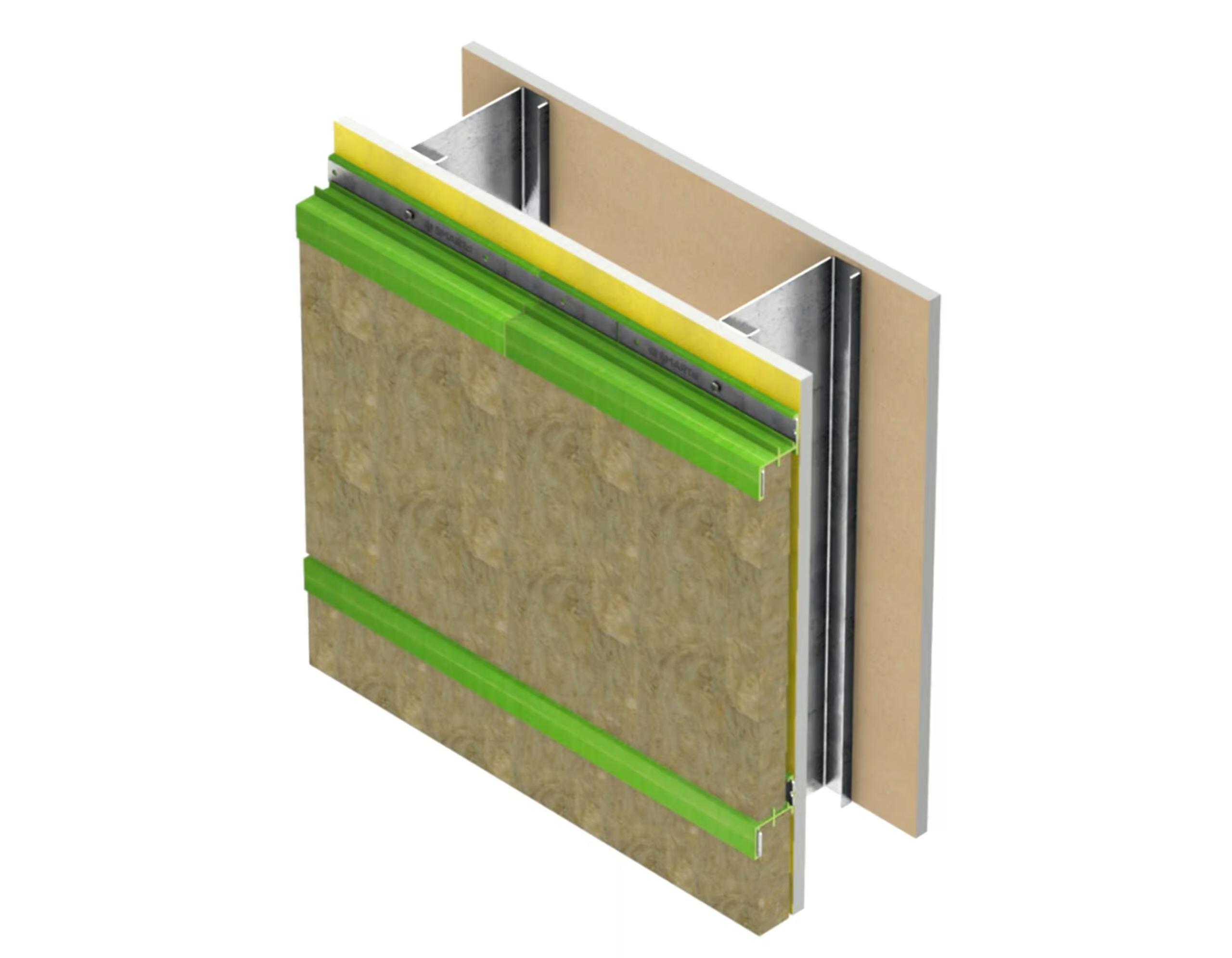
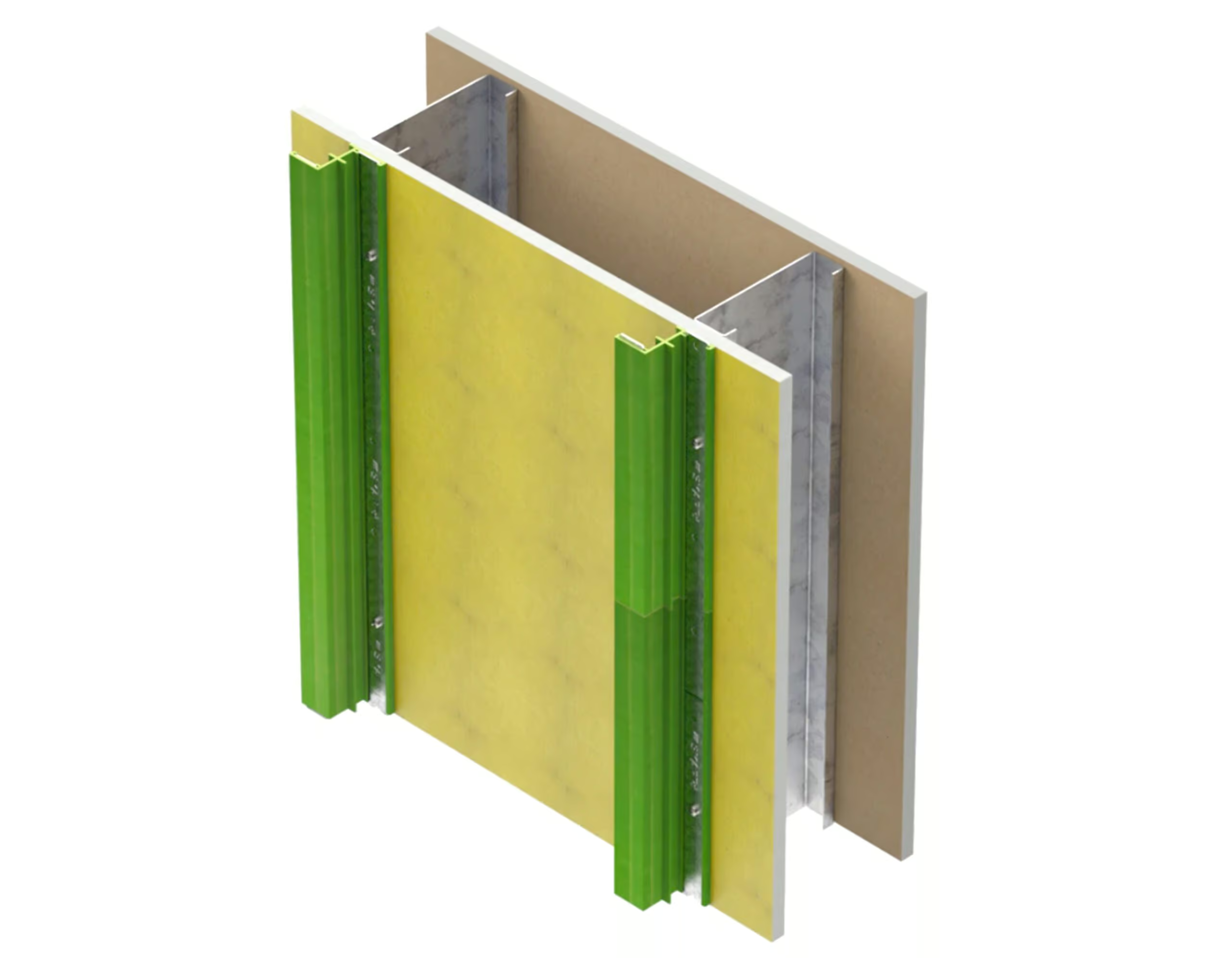
GreenGirt Optima CMH™ is a Class I continuous insulation system engineered for light- to medium-weight cladding, including ACM, metal, fiber cement, and high-pressure laminate panels. On the substrate side, it’s compatible with masonry, concrete, or metal or wood studs with sheathing.
What insulation types and thicknesses work with GreenGirt Optima CMH™?
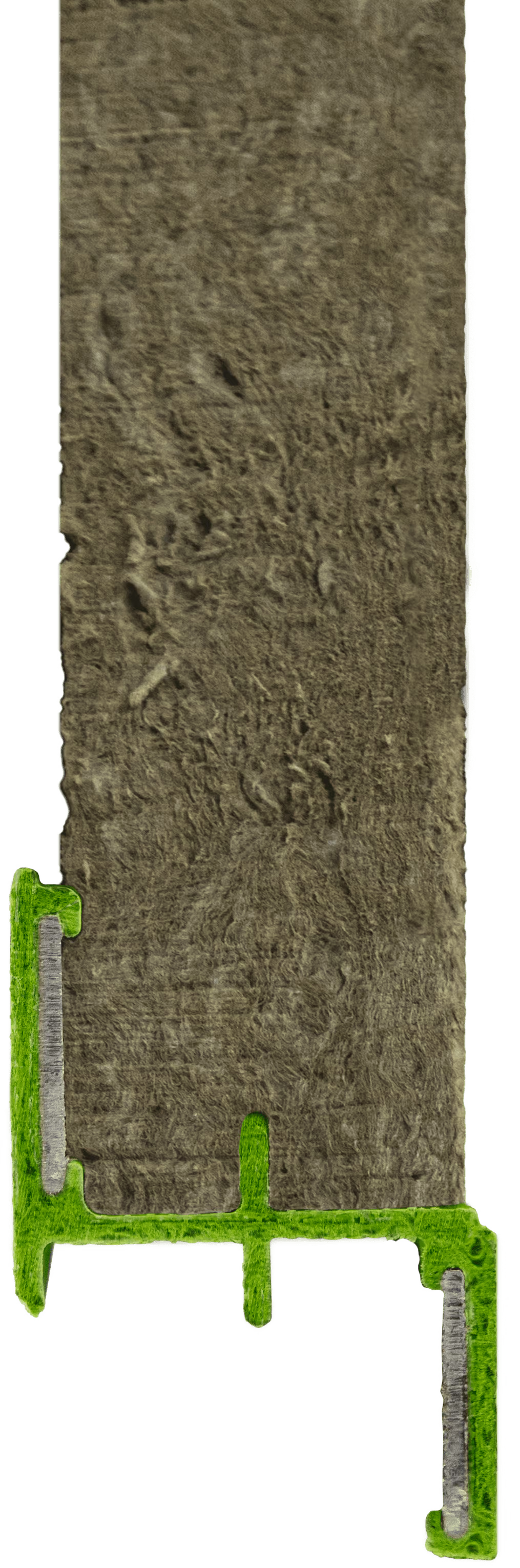
GreenGirt Optima CMH™ is compatible with mineral wool and spray foam, in thicknesses from 1.5″ to 8″. GreenGirt Optima CMH™ Smooth, an optional insulation retention variant that excludes ThermaLock, is compatible with non-routed rigid insulation panels.
What is the thermal performance of GreenGirt Optima CMH™?
GreenGirt Optima CMH™ achieves overall assembly thermal efficiencies of 94-99%, the same range as GreenGirt Max CMH™, since both share the same one-piece composite metal hybrid design and steel-reinforced flanges.
How does fastener retention in GreenGirt Optima CMH™ compare to FRP systems?
In independent testing, screws in generic FRP failed in as little as 59 seconds under sustained load at 180°F, while screws in GreenGirt CMH™ systems never let go. GreenGirt Optima CMH™ routes fasteners into steel-reinforced flanges rather than composite material alone, forming a permanent steel-to-steel connection and avoiding the fastener failure common to FRP-only systems.