








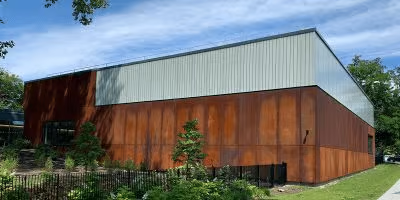
Exterior cladding is a key element in protecting the interior of a building. It provides a barrier against the elements, including rain, wind, and snow. It is important to choose the right exterior cladding materials for your building project based on the climate and specific project needs.
Commercial buildings come in all shapes and sizes, and with that comes a variety of exterior cladding types to choose from. Here we will explore the five most popular cladding types for commercial buildings: metal, wood, stone, brick, and composite. Each has unique benefits and drawbacks that you should consider before making a final decision.
5 Types of Cladding Materials
1. Metal Cladding
Metal cladding is one of the most popular choices for commercial buildings due to its durability and low maintenance. It is usually made from aluminum, steel, or copper. Metal cladding can be an effective way to protect a building from the elements and can also provide a decorative element. It is also fire-resistant and can be recycled, making it a sustainable option. However, metal cladding can be expensive and susceptible to corrosion.

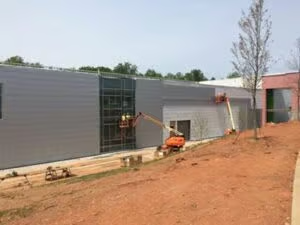
Metal Cladding / Greenville Technical College – Center for Manufacturing Innovation / SMARTci® Building Enclosure System
2. Wood Cladding
Wood cladding is another popular choice. Wood cladding can provide an attractive and natural appearance to a structure and offer protection from the elements, including wind, rain, and sun damage. It is often made from cedar, redwood, or pressure-treated pine. However, there are some disadvantages to using wood cladding. It does require more regular maintenance than other cladding types and is not as fire-resistant. It is also more susceptible to damage from insects or rot.
3. Stone Cladding
Many types of stone cladding are available, each with its own advantages and disadvantages. Some of the most popular types of stone cladding include natural stone and stone veneer. Stone is one of the most expensive cladding options, but it is also the most durable and can last for many years. In addition, stone cladding is relatively low maintenance. It can also be cumbersome, making the installation process difficult.
4. Brick Cladding

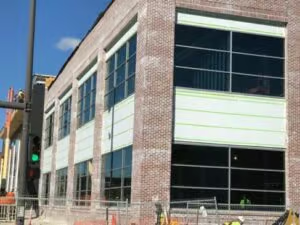
Brick Cladding / Kiewit University / SMARTci® Building Enclosure System
5. Composite Cladding
Composite cladding is a type of cladding made from a mixture of materials. Typically, composite cladding combines wood and plastic. It can also use materials like aluminum or fiberglass. Fiber cement is a common type of composite cladding used in both residential and commercial buildings. It offers a more durable and low-maintenance alternative to traditional wood cladding. Available in various colors and styles, composite cladding allows for a unique appearance in buildings. However, composite cladding does have its disadvantages. It can be more expensive than other cladding options and can be challenging to install.
Conclusion
GreenGirt CMH™ Continuous Insulation
Advanced Architectural Products, creators of GreenGirt CMH™ continuous insulation and SMARTci® building enclosure system, offers best practice solutions for your building envelope and cladding attachment. Comprised of composite metal hybrid sub-framing, the GreenGirt CMH continuous insulation and SMARTci building enclosure systems offer a universal attachment solution for any cladding type. The unique combination of GreenGirt CMH Z-girts with cantilevered interlocking steel inserts on both flanges offers a best practice and structurally sound cladding attachment surface while providing a thermally efficient continuous insulation and building enclosure systems. In addition, its universal compatibility with substrates, cladding, insulation, and various other building envelope components makes for a quick and easy installation, saving you both time and money.
Get Specs, Installation Guides, & BIM/REVIT Files
Match your cladding choice to the right attachment approach: grab specs, details/drawings, BIM/REVIT files, and installation resources all in one place.
View A2P’s Technical Library for Downloadable Resources
Need additional information? Our expert engineering team is available to offer support on design and installation needs to install GreenGirt and SMARTci systems with any cladding type.
Talk to Our Engineering Experts
Related Resources:
GreenGirt CMH Systems Overview
Read “Introduction to Building Envelopes”
–
–
Frequently Asked Questions
What are the most common exterior cladding materials?
Five common exterior cladding types are: metal, wood, stone, brick, and composite. GreenGirt CMH Z-girts can support these and all other cladding materials.
Does one cladding attachment system work with different cladding types?
Yes. The GreenGirt CMH and SMARTci systems are designed as a universal attachment approach intended to work across cladding types and common wall components.
What is metal cladding made of?
Metal cladding is typically aluminum, steel, or copper.