







Window solutions for continuous insulation & building enclosures
Traditional window framing solutions often fail in energy efficiency; explore how our innovative structural window continuous insulation solutions can provide you with design flexibility to maximize energy efficiency.
Window Solutions
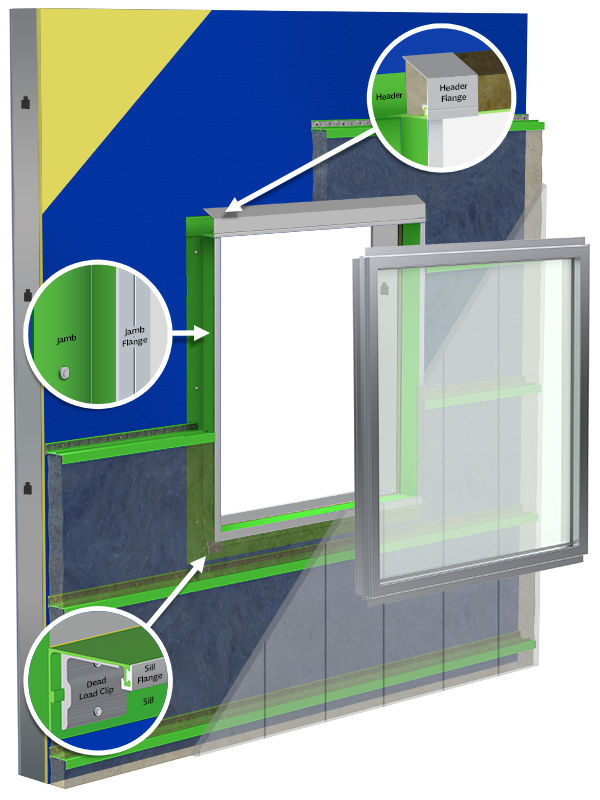
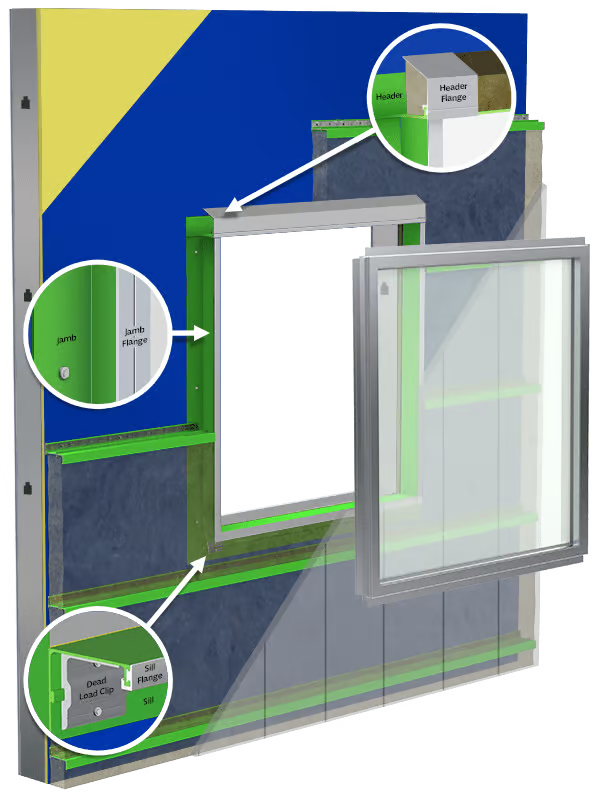
GreenGirt CMH XO™
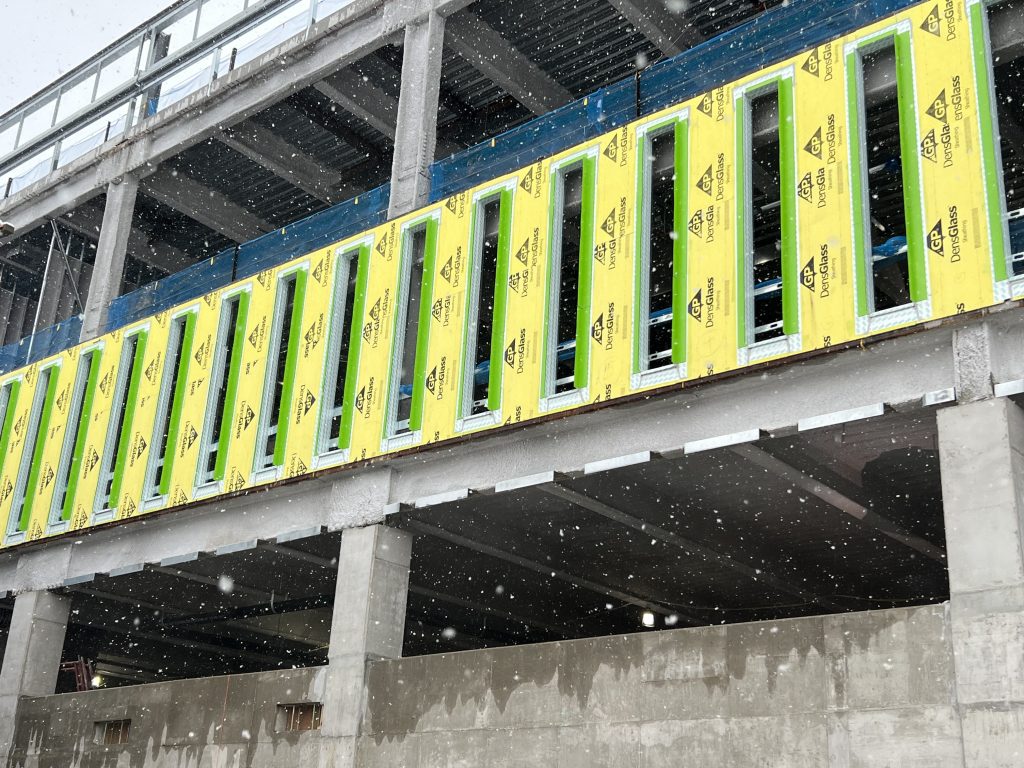
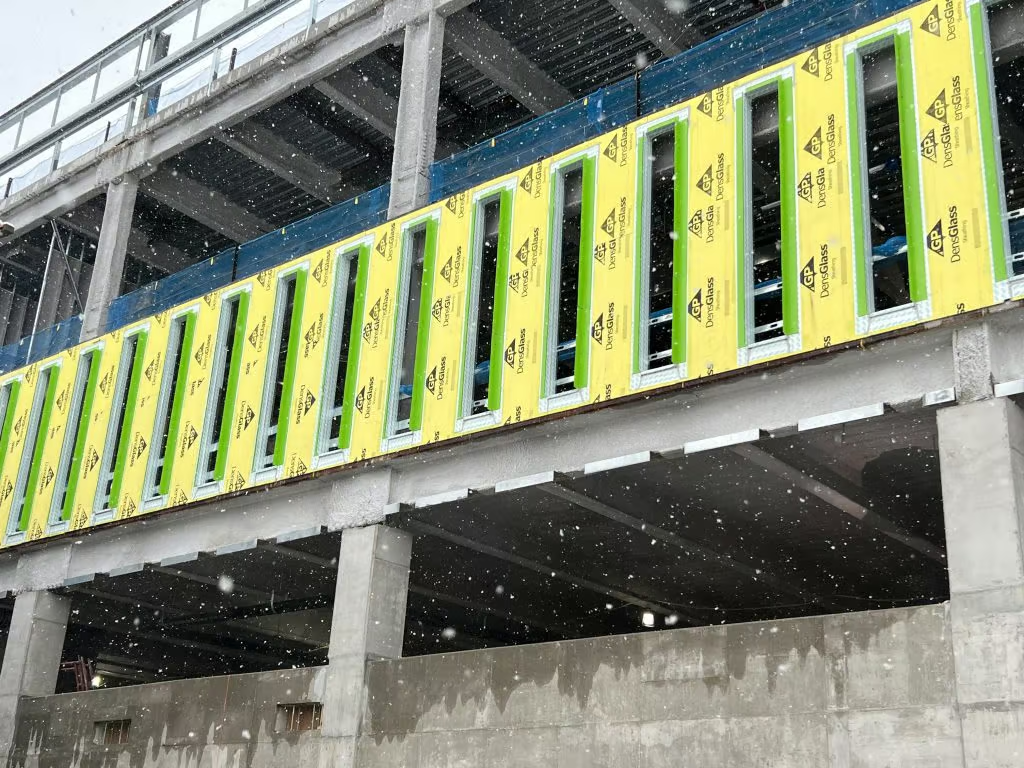
GreenGirt CMH XO is a structural thermal framing system for windows and openings that combines structural composite metal hybrid sub-framing and compatible accessories with expert engineering support.
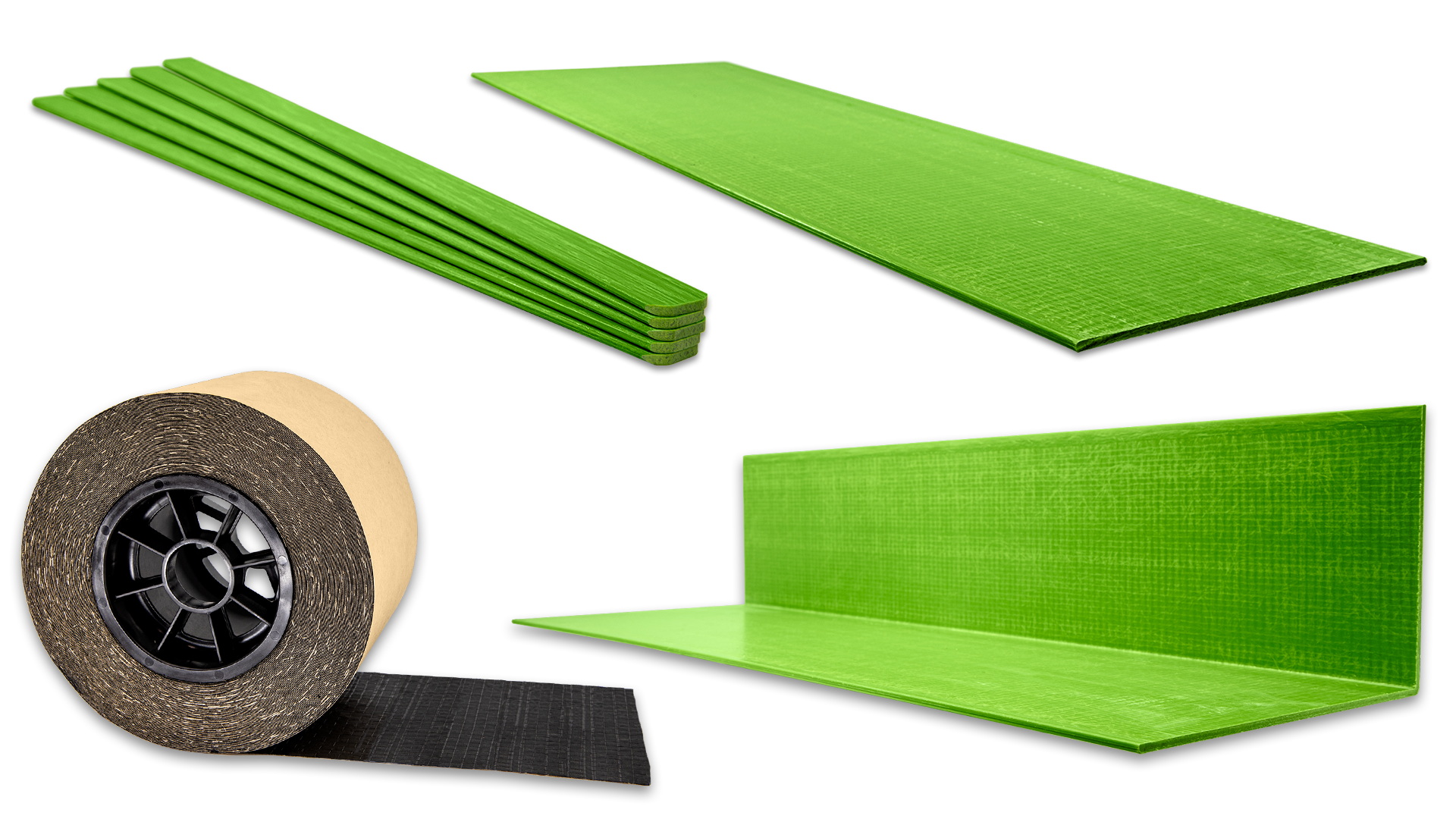
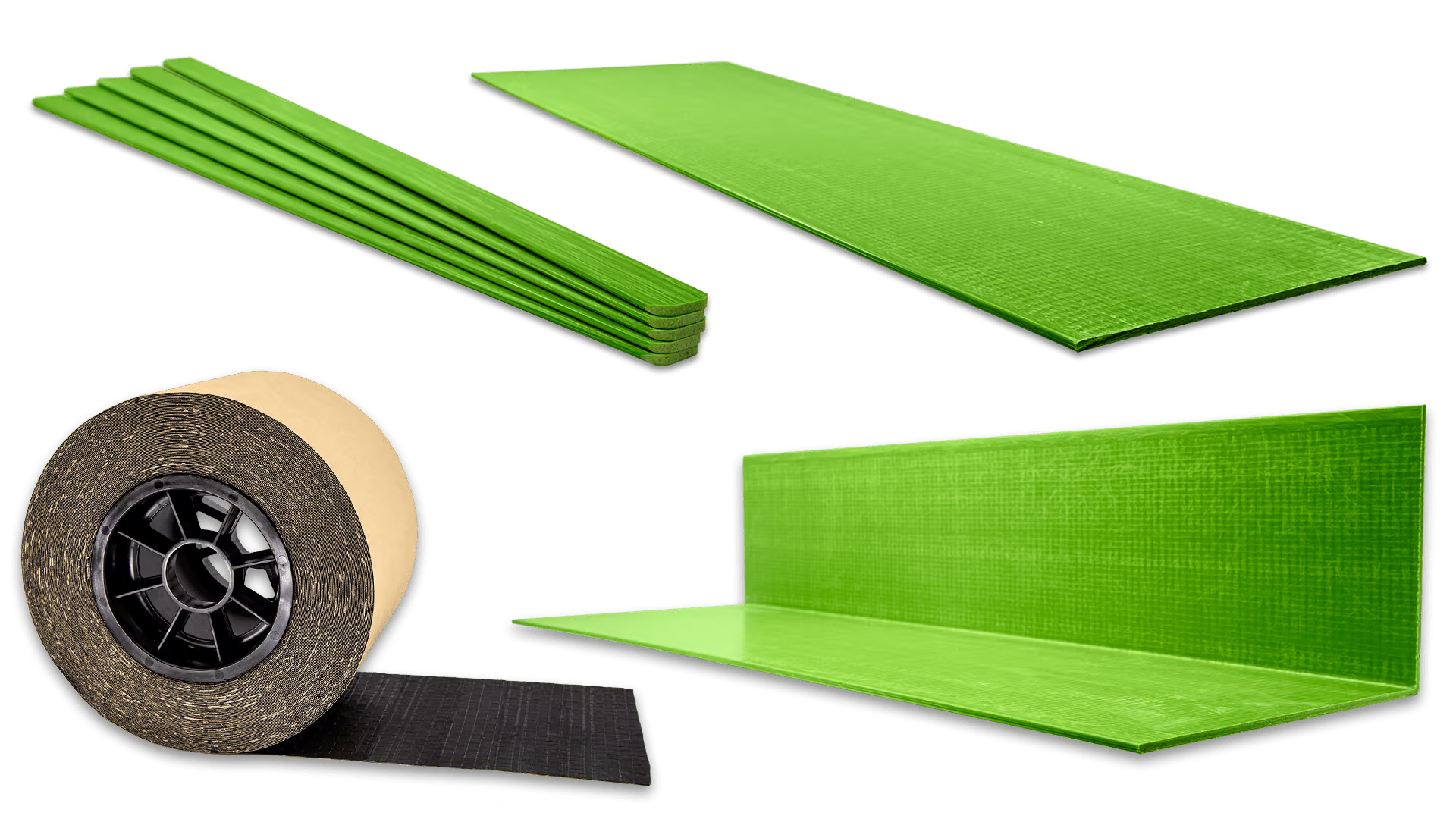
Accessories
These products are fully compatible with GreenGirt CMH, GreenGirt Steel, and SMARTci systems, ensuring seamless integration and performance.
Explore More Solutions
Wall Solutions
Discover the ideal wall solutions for your projects. Our advanced continuous insulation and building enclosure systems ensure superior efficiency and lasting performance.
Roof Solutions
Revolutionize your rooftop with durable, energy-efficient systems designed to protect and perform, ensuring your building’s longevity and operational excellence.
Classification of Continuous Insulation Z-Girts
Continuous insulation Z-girts are categorized into three distinct classes based on their ability to meet key performance criteria. These criteria include structural capacity, structural performance, thermal efficiency, fire resistance, and the durability of connections over the building’s lifecycle. Each class represents a different level of performance, allowing designers, contractors, and installers to select the most suitable system for their project’s specific demands and requirements.
Frequently Asked Questions (FAQs)
Our window solution is GreenGirt CMH XO, a structural thermal framing system for windows and openings that combines structural composite metal hybrid sub-framing with compatible accessories and expert engineering support.
Yes, GreenGirt CMH XO accessories are fully compatible with GreenGirt CMH, GreenGirt Steel, and SMARTci systems for seamless integration and performance.
Continuous insulation Z-girts are grouped into three classes based on their ability to meet key performance criteria, structural capacity, structural performance, thermal efficiency, fire resistance, and connection durability over the building lifecycle, so teams can select the right system for the project’s demands.