








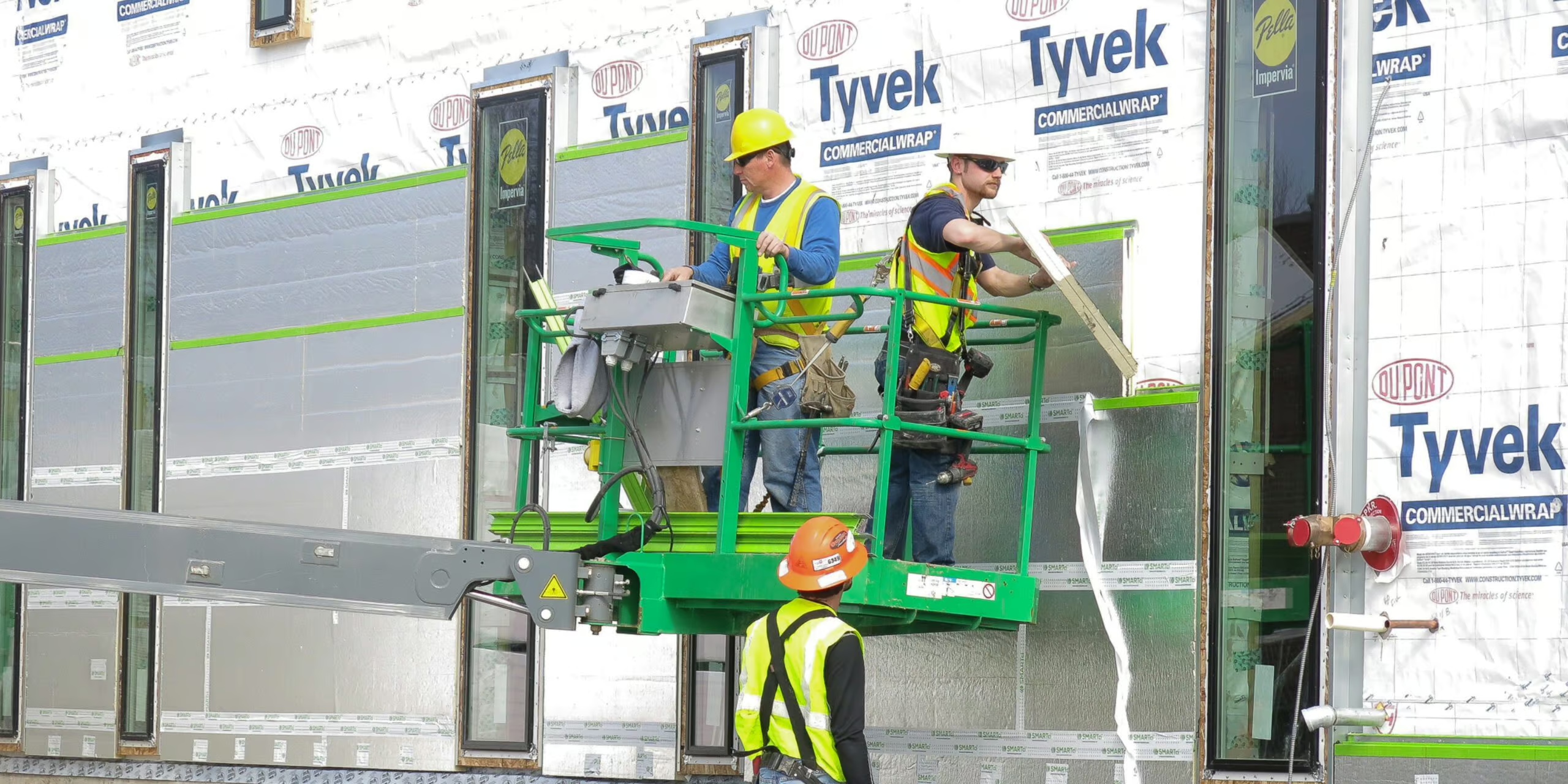
What is a Building Envelope?
Building envelopes are a physical separator between the interior and exterior of a building. The envelope helps to protect the interior from the elements, provides thermal insulation, and controls air leakage. A well-designed building envelope can improve a building’s energy efficiency, comfort, and durability. The entire building envelope consists of not only the building walls but also the roof and foundation. The roof and foundation function under the same principles as the building envelope walls, just at a different angle. The overall goal of the building envelope is to protect the building and its occupants (on all sides) from the elements and help to create a comfortable indoor environment.
The building envelope has four main control layers that fall between the cladding and structural framing, including rain, air, vapor, and thermal control layers. 1

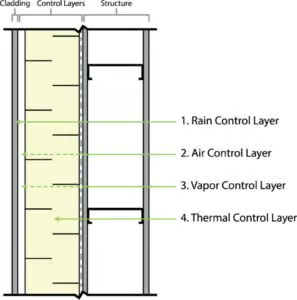
The Four Wall Control Layers of a Building Envelope
Let’s take a look at each control layer and the role it plays in the wall component of building envelopes.
Rain Control Layer
The rain control layer is the first line of defense against the elements and is used to protect a structure from water, wind, snow, and other conditions. Cladding falls within the rain control layer and can be made from a variety of materials, including brick, stone, metal, glass, or composite. Rain barriers are typically made of waterproof and breathable materials that will keep water out while allowing moisture to escape. Weather barriers generally are used in conjunction with other materials within the building envelope.
Air Control Layer
An air control layer, also known as an air barrier, is the second line of defense against the elements. It helps to control the flow of air into and out of the building. Use air barriers to prevent air leakage and improve energy efficiency. Various materials, such as sheet metal, sealant, foam, and tape, can serve as air barriers. Install air barriers carefully to ensure effective control of airflow.
Vapor Control Layer
A vapor control layer is a material or barrier used to prevent moisture vapor from passing through the building envelope. Typically, place this layer between the exterior cladding and the insulation. Vapor control layers are important in preventing moisture damage to the building envelope, as well as mold and mildew growth. When selecting a vapor control layer, it is important to consider the climate in which the building will be located.
Thermal Control Layer
The thermal barrier is the fourth line of defense against the elements. It helps to control the flow of heat into and out of the building by preventing heat transfer. There are different types of thermal barriers, each with their own specific purpose. The most common thermal barrier is insulating material that keeps heat from escaping a building or structure. This can be anything from fiberglass insulation to spray foam insulation.
Conclusion
Building envelopes can be complex systems with many different parts, but they all have one common goal: to keep the building’s interior comfortable and protected from the outside environment. Each of the four main control layers (rain, air, vapor, and thermal) of a building envelope plays a vital role in protecting the building and its occupants from exterior conditions.
Talk to Our Engineering Experts
Have a question about assemblies, moisture control, thermal bridging, or how to specify continuous insulation? Send us your project details, and we’ll connect you with our expert engineering team to help you choose the best next step.
Connect with A2P’s Engineering Team
Related Resources:
Read “What is Continuous Insulation?”
A2P’s Solutions for Wall Assemblies
A2P’s Systems Comparisons Chart
1 Lstiburek, Joseph. “BS1-001: The Perfect Wall,” Building Science Corporation. July 15, 2010.
–
–
Frequently Asked Questions
What are the four control layers in a building envelope wall assembly?
A typical building envelope wall assembly is described as having four main control layers located between the cladding and the structural framing: rain, air, vapor, and thermal control layers.
Does the building envelope include the roof and foundation, or just the exterior walls?
Building envelope includes the walls, roof, and foundation. The roof and foundation follow the same principles as the wall assembly, just “at a different angle.”
What is an air barrier (air control layer), and what materials can be used as one?
An air control layer (air barrier) is the second line of defense that helps control the flow of air into and out of the building to reduce air leakage and improve energy efficiency. Materials that can serve as air barriers include sheet metal, sealant, foam, and tape, and careful installation must be considered to ensure effective airflow control.